20 April 2026
Learn more about what our partners are telling us about the quiet power of flexible grants.
Mhairi Reid

Photo: Edinburgh Tradfest 2025 by Douglas Robertson.
As an open and trusting funder, we aim to give grantees as much flexibility as possible in how they use our grants.
When we talk about flexible funding, we mean any grant that isn’t tightly prescribed – from fully unrestricted support to funding that can be used across a broad area of an organisation’s work. Around two‑thirds of our recent funding has been flexible in this way.
This blog draws on direct reflections from grantees, sharing in their own words how flexible funding is supporting their work.
Exploring what becomes possible
Alongside other trusts and foundations in the open and trusting grant‑making movement, we believe that simpler, more flexible funding practices can be transformative for charities. But we also know flexible funding itself is still far from the norm for many of the organisations we support.
Over the past year, we’ve been exploring what becomes possible when partners have flexible funding. Much of what we’re hearing reinforces learning collated by the Institute for Voluntary Action Research (IVAR) – stewards and champions of the open and trusting grant-making movement – around what works. Listening closely to our grantees also continues to sharpen our understanding of why this approach matters, and where we can go further.
These insights come from many places, such as our own observations as a team, responses from the organisations we fund to our regular anonymous feedback surveys, conversations and written grant reports, and what we hear when grantees speak to each other in peer learning spaces.
Across the diverse strands of our work, several themes stand out.
1. Flexibility helps organisations be responsive to what people need
The strongest theme is responsiveness. Flexible funding gives organisations the space to respond to real-time feedback and what is happening in people’s lives and the world around them – not what was written in a funding application months earlier.
For youth organisations, this means being led by young people’s ideas, energy and capacity. As one partner told us:
“It means we can be truly responsive to what the young people want to do… and that’s so important as we work to build and deepen trusting relationships.”
For arts organisations, responsiveness can mean adapting to context, place and what communities are experiencing. As one arts leader put it:
“When you’ve got a flexible pot, you can actually meet the moment… not be restricted to deliver something that no longer makes sense.”
Across all these examples, flexibility supports work that is people‑led, not funder‑led.
Flexible funding is enabling Young Sea Changers to experiment and adapt their approach to empowering young people to shape marine policy – read more in their spotlight story.
Photo by Rosa Payne.

2. It reduces pressure and creates space to think
Partners spoke openly about the human impact of flexible funding: lower stress, more clarity, and space to breathe because it can cover the essential core costs that sustain the organisation. One partner captured this feeling as:
“It means I can sleep at night because I’m not lying awake wondering how to pay wages. When we secure unrestricted funding, we literally do a wee dance in the office.”
3. It strengthens relationships – and unlocks trust
Flexible funding is often interpreted as a sign of confidence in a charity’s judgement and experience. One grantee said:
“I feel like you respect what already exists and you allow us to be the experts in our field and actually deliver the work.”
This trust also changes the relationship. People described feeling more able to speak openly to their funders, adapt plans or ask for support.
Several partners also noted that flexible, multi‑year grants can strengthen their standing with other funders, helping them secure additional support or agree expectations that feel more realistic. Signalling trust and stability through longer-term, flexible funding can help ease other funders’ concerns around organisations – concerns that may otherwise lead to applying restrictive conditions to grants.
4. It supports stability, especially for staffing
Partners spoke about the importance of using flexible funding (particularly multi-year) to retain skilled people and smooth over gaps in project funding.
This really matters in work with communities where continuity is the backbone of good, relational practice. It also enables grantees to protect staff time for essential behind‑the‑scenes work.
One grantee noted:
“Unrestricted funding is great for putting the scaffolding around the work – making sure services are safe, impactful, and that staff have the support and training they need.”
5. It enables thoughtful risk‑taking and learning
We heard many examples of new approaches being tried because flexible funding offered room to test, reflect and adapt – e.g. piloting work with young people, refining community engagement programmes or being brave with complex, collaborative artistic projects.
One leader summed it up simply:
“It’s given us breathing space to try new things…and abandon what doesn’t work.”
6. It reduces administrative burden
For some, the value of flexible funding also lies in the absence of complexity.
In this spotlight story, Lorn & Oban Healthy Options share learning on how flexible funding reduces complexity and enables them to focus on supporting people to make healthy choices together.

Not having to juggle multiple budgets and cost‑codes frees up significant time and energy for delivery, learning and collaboration. This is especially true when reporting back to the funder is straightforward and not weighed down by tight or complex requirements.
But flexible funding can’t do everything
Alongside all the positive reflections, we also noticed something important: even with flexible grants, many organisations still put themselves last. For some, it can feel uncomfortable to spend money on organisational needs when the pressure to deliver services is so intense. Consequently, internal strengthening – investment in people, systems, leadership or wellbeing – is often deprioritised.
We’ve been exploring this with some grantees through additional bursaries focused on organisational strengthening.
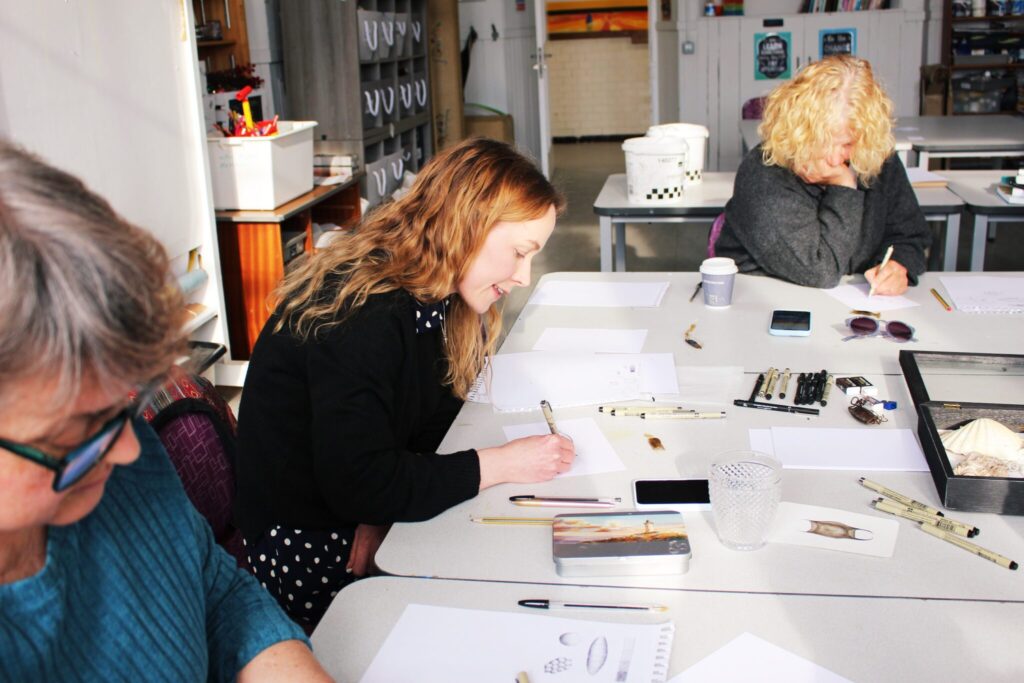
Read more about what we’re learning from our bursaries pilot.
Why this learning matters
These insights matter because they help us understand the real value of flexible funding – and where we can do more. Listening to organisations in their own words strengthens our commitment to open and trusting grant-making and working in ways that support the causes we care about.
This learning isn’t new, but it’s worth restating as the case for flexible, trust‑based funding becomes clearer and better evidenced. By sharing what we’re learning, and building on the experience of our peers, we hope to contribute to continuous improvement in grant‑making practice.