14 April 2026
Empowering young people to shape marine policy: Young Sea Changers Scotland.
William Grant Foundation
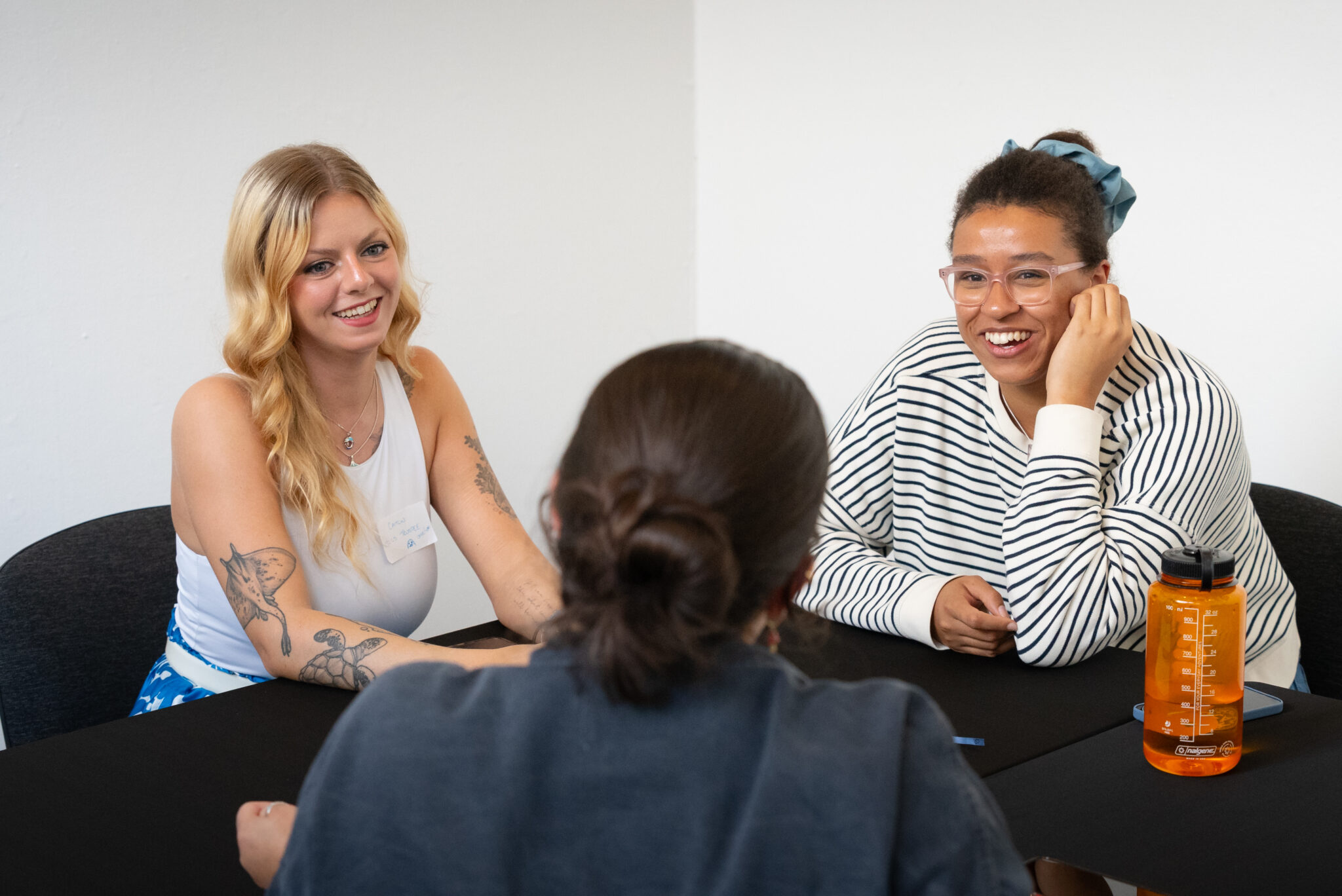
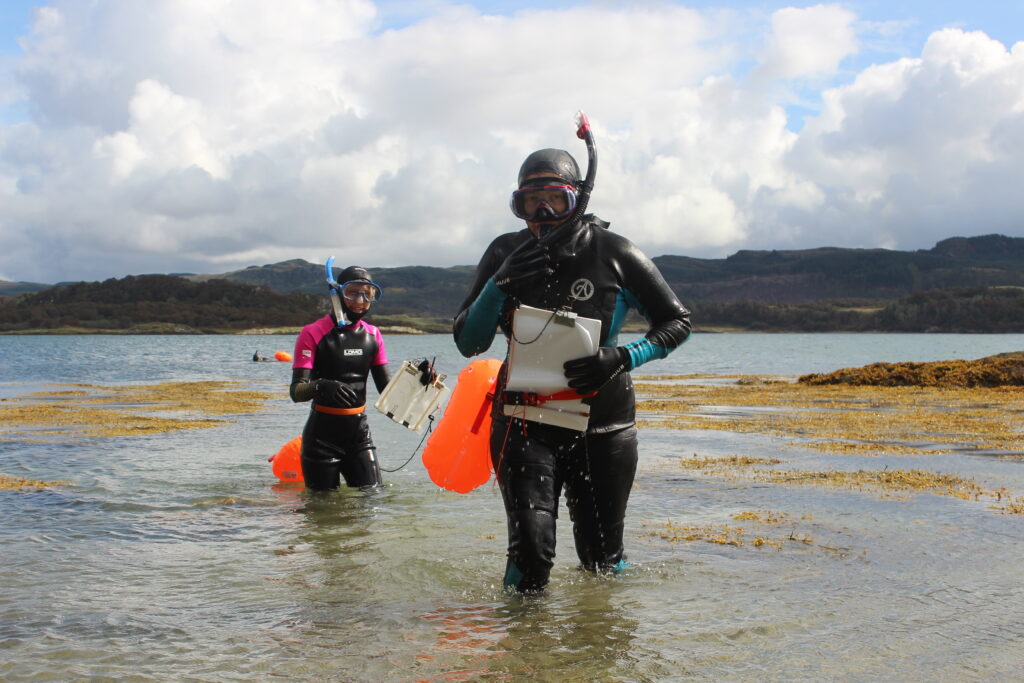
Young Sea Changers Scotland. Photo by Ruari Barber-Fleming.
Key learnings:
- Young people care about Scotland’s seas but need support to bridge the gap between interest and active participation in policy spaces.
- Fair, inclusive pathways – including paid opportunities – are vital in a sector where unpaid experience and limited diversity continue to exclude many young people.
- Shared learning is enabling developing marine organisations to build on the experience of peers while also helping those peers to shift their own practice.
- Flexible, early funding gives emerging organisations the freedom to experiment, adapt and strengthen their model, while also enabling early policy influencing.
Young Sea Changers Scotland (YSCS) was founded in 2022 to address an issue that had persisted in Scotland’s marine sector for far too long: young people care deeply about the sea, but their voices rarely reach the policy processes that shape its future.
As Alan Munro, Founder and Director of YSCS, says:
“Our vision is for young people in Scotland, regardless of background or experience, to be empowered to have their voices heard in decisions about how our seas are managed.”
Three strands of activity
YSCS works through three connected strands. First, it empowers young people to take action. Mentoring and training programmes such as Turning the Tide help participants learn about policy making and how to influence policy change.
Second, it champions youth voices in marine policy discussions and seeks real opportunities for young people to contribute.
Third, it builds a sense of community among young people across Scotland, recognising that movements grow when people can connect and share knowledge and skills.
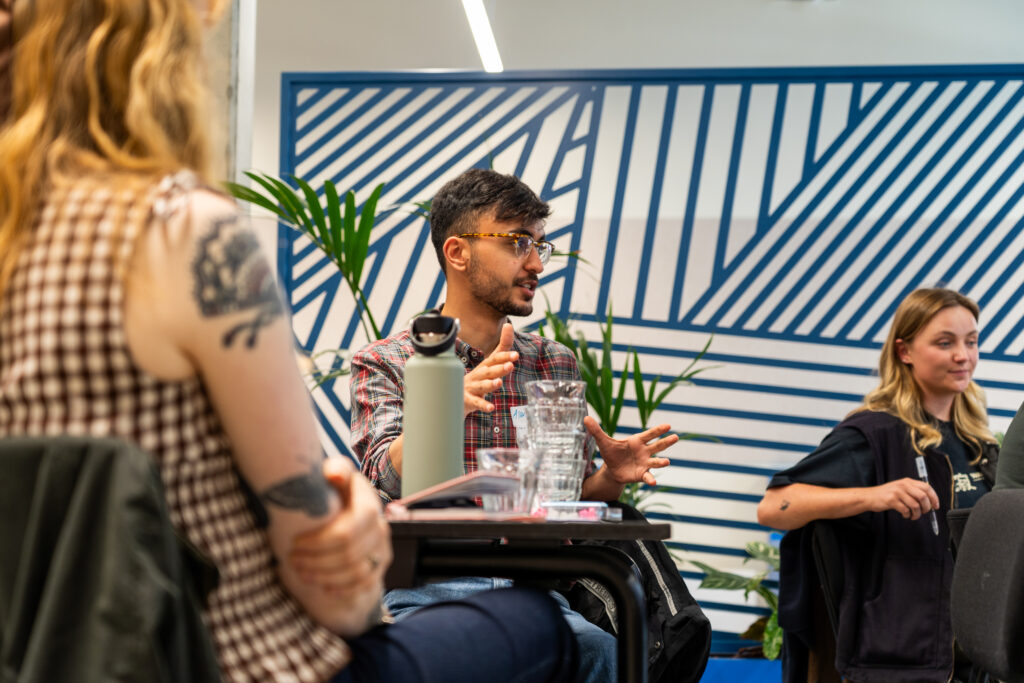
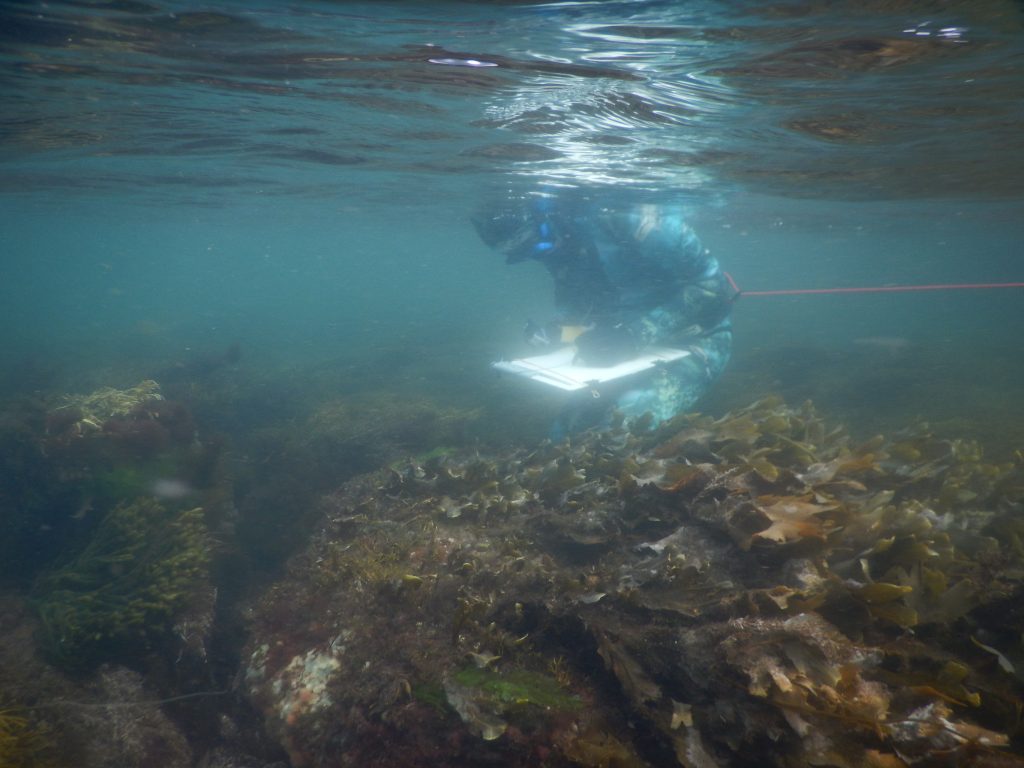
YSCS supports young people to learn about policy-making and how to have their say in how our seas are managed.
Photo by Rosa Payne.
Learning about advocacy and what young people need
YSCS’s early experience highlights consistent barriers faced by young people who want to take action. As Sophie Plant, Project Coordinator explains:
“There is a bit of a gap between motivation and knowing where to start or having the confidence to get involved.”
Marine policy is rarely taught in schools and it’s often wrapped in specialist language, leaving many young people unsure if their contribution will be dismissed. YSCS is reaching out to young people across Scotland with a wide range of experiences, including those who have not studied at university or who come from different backgrounds.
Practical barriers are significant too. Meetings often happen during the working day in central locations, designed around professionals with paid time to attend.
YSCS has learned that small changes can open doors. When working on Scotland’s National Marine Plan 2, for example, YSCS collaborated with the Scottish Government’s Marine Directorate to make engagement more accessible – shifting to early evening sessions and reducing jargon – to help young people take part meaningfully.
A growing record of youth‑led policy influence
Although still a young organisation, YSCS already has clear examples of young people influencing marine policy. The Young Persons Policy Group is responding to government consultations and taking part in national workshops on marine planning, fisheries management and seabird conservation.
One Turning the Tide alum recently gave oral evidence in a Scottish Parliament committee meeting examining fisheries management in the Firth of Clyde, and one of the charity’s Youth Trustees, Caitlin Turner, appeared before the Rural Affairs and Islands committee. Others have taken up trustee roles or advisory positions across the sector, widening youth influence further.
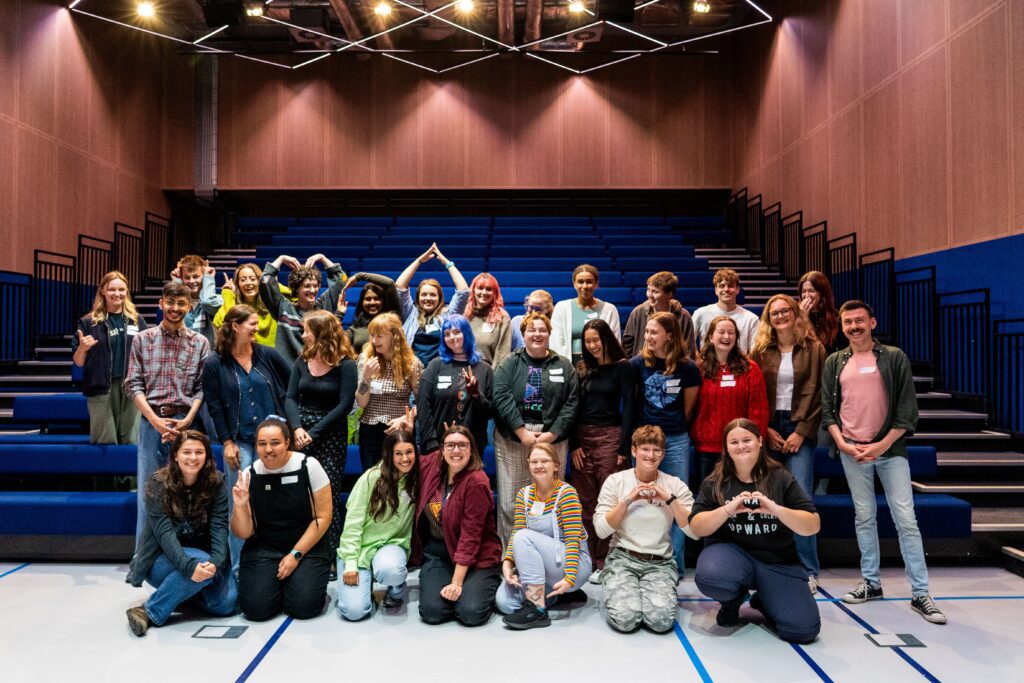
YSCS membership has now grown to more than 100 young people from Shetland to the Borders, helped by word of mouth.
Diversifying participation and challenging sector norms
YSCS is also candid about the lack of diversity and structural barriers in the marine sector – including a reliance on unpaid work experience – that limit who can enter it. In response, they’ve developed a paid traineeship for young people from Black and minority ethnic backgrounds, offering meaningful and paid training opportunities that build skills and networks in a sector that is otherwise difficult to access.
The EDI (Equality, Diversity and Inclusion) working group, made up of young people from underrepresented backgrounds, helps shape how YSCS designs programmes, events and opportunities.
Alan emphasised the ongoing importance of this work: “We really walk the talk… it’s built into everything we do.” This commitment is also reflected in YSCS’s governance, with dedicated places on the Board of Trustees reserved for young people.
Learning as a two-way process
YSCS sees learning as something that it does with others. The team draw inspiration and practical insight from organisations such as Young Friends of the Earth Scotland, who run a year‑long paid opportunity for a young person with disabilities. This helps YSCS think about what good practice can look like in different contexts.
The team are also active in environmental networks and make use of learning and collaboration opportunities with other community‑based marine organisations. This includes Scottish Environment LINK’s ‘Scottish Environmental Equality Network (SEEN)’, which has played an important role in developing best practice.
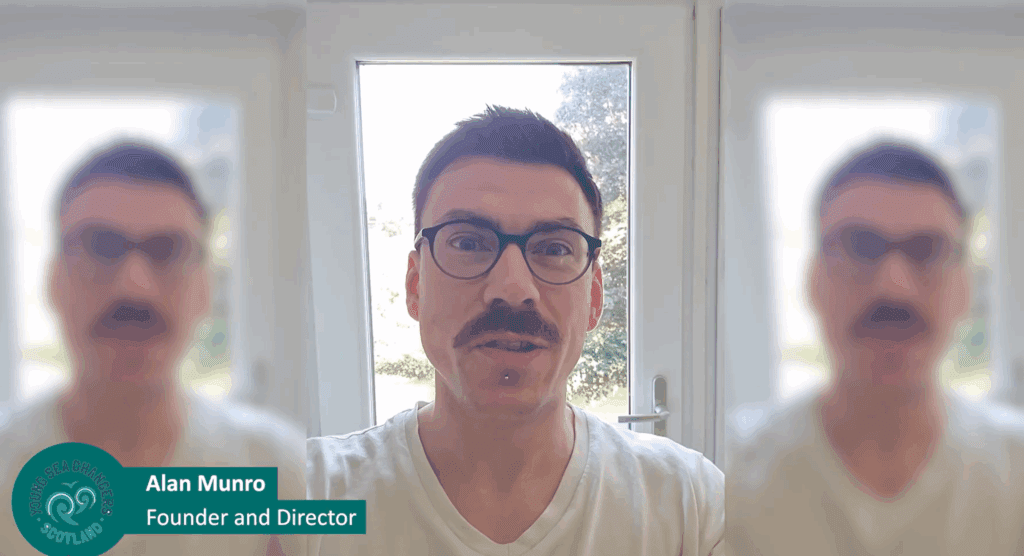
Listen to Alan, Founder and Director of YSCS, sharing learning about their experience of embedding equality, diversity and inclusion…
As YSCS refine its practice, it’s increasingly able to support peers across the field – particularly organisations who recognise the importance of involving young people but don’t necessarily know how to reach them. This kind of peer‑to‑peer influence is becoming a natural next step as the organisation grows in confidence and credibility.
What flexible funding made possible
YSCS’s development has been shaped by flexible funding from all their major funders, including early support from the Foundation through our Natural and Built Environment strand. Alan reflected on the difference this made:
“It’s given us breathing space to try new things… and abandon what doesn’t work. For a new organisation working in an untested space, this freedom has been critical.”
The Foundation’s first flexible grant in 2022 helped YSCS establish its model and enabled Alan to move into paid employment with the organisation. That first year also created the track record YSCS needed to attract multi-year funding from others, including Esmee Fairbairn Foundation.
As Alan and Sophie noted, flexible funding feels like a vote of confidence: “You get that sense that there is buy‑in for what we’re trying to do.”
A picture of hope
The combination of flexibility, trust and a genuine partnership approach with key funders has enabled YSCS to focus on developing a model that works – and to refine it in real time with the young people they exist to support.
The organisation’s progress offers a hopeful picture of what a more inclusive, responsive and future‑facing marine sector can look like, and a reminder that meaningful change happens when charities, funders, communities, public servants (and others) pull in the same direction.