Diving into 360Giving
24 September 2025
Discover how open grants data from 360Giving helps us see the bigger picture and spot opportunities.
Mhairi Reid
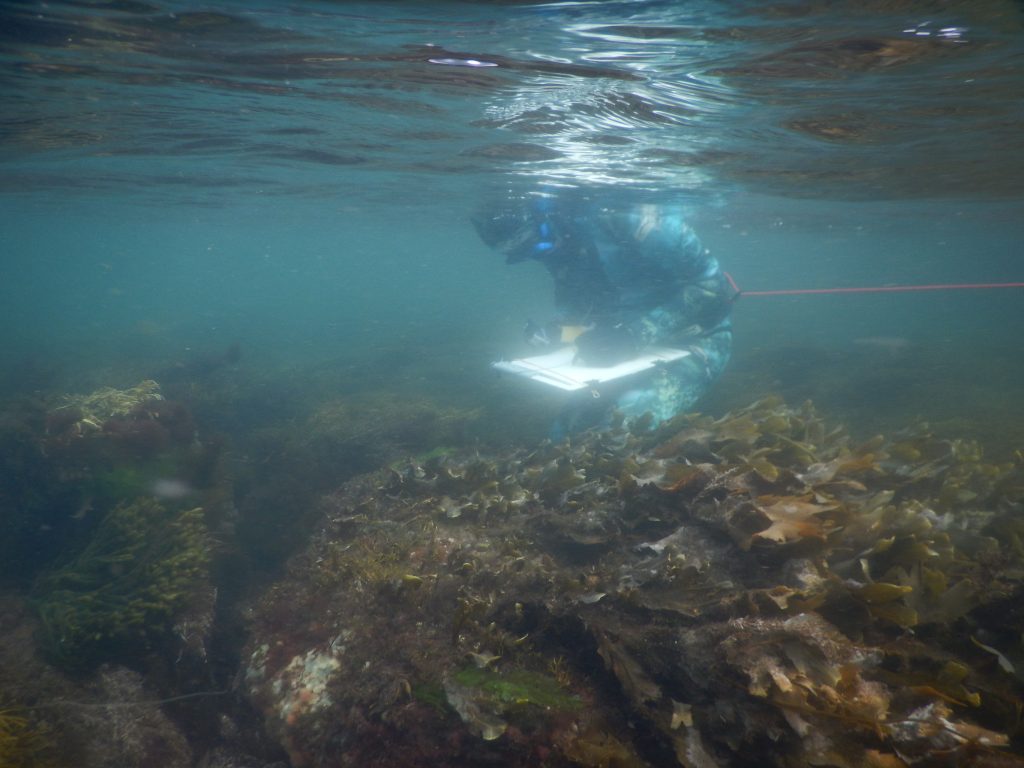
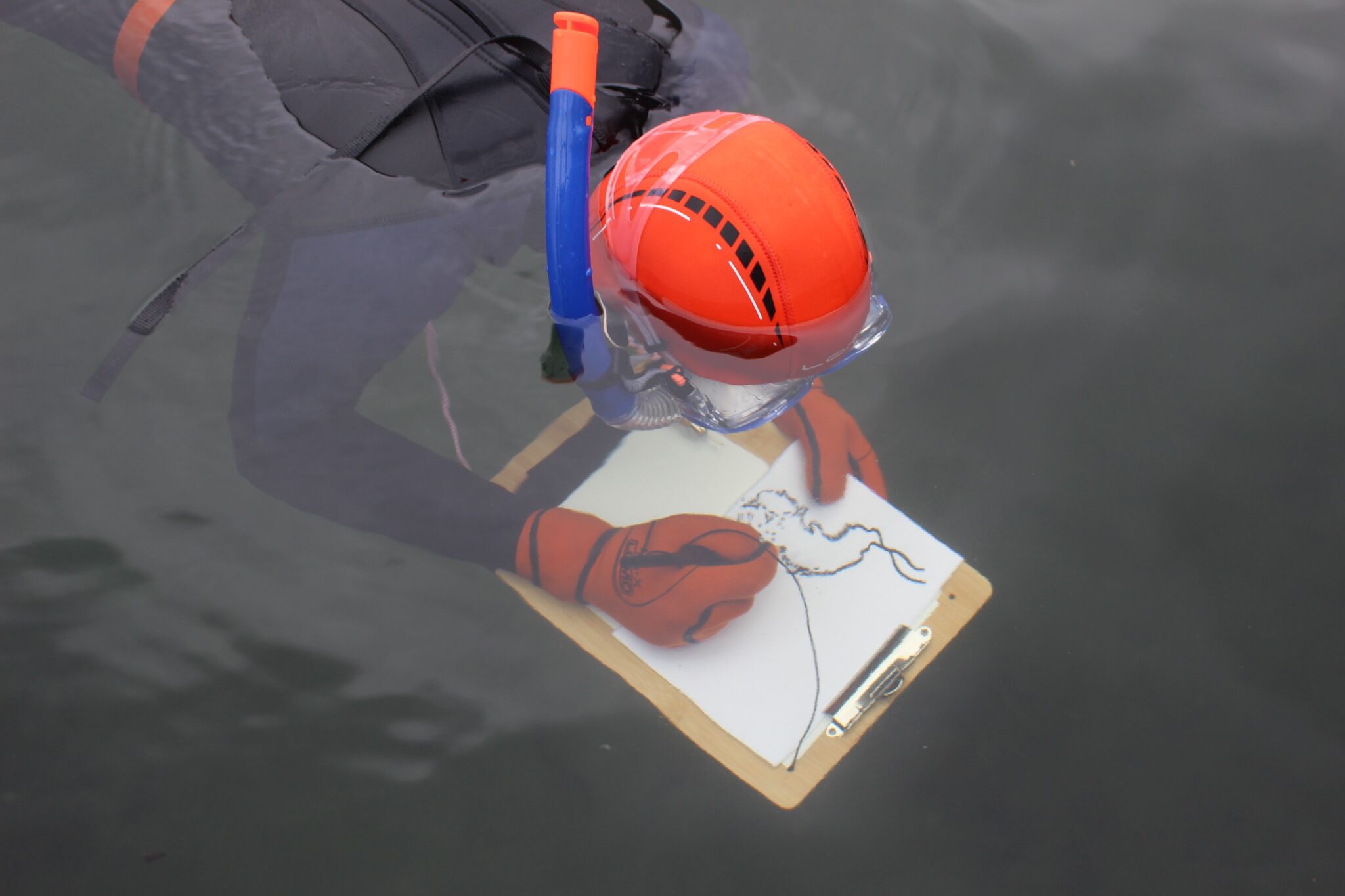
Photo: Argyll Hope Spot by Danielle Banks
Insights from 360Giving
When you work in grant-making, it’s easy to wonder whether you’re really seeing the full picture. The landscape can feel complex, with many organisations working in similar areas and a vast spread of funding across expansive themes and locations. Sometimes gaps and overlaps aren’t immediately visible.
That’s why it’s so useful to be part of the 360Giving initiative, which helps funders openly publish data about the grants they make in a consistent, standardised way. This means anyone – funders, charities, researchers, or the curious – can explore grants data across the UK in one place.
That place is GrantNav, an easy-to-use search tool provided by 360Giving. You can search by funder, geography, theme, or keywords, and see the grants awarded by over 320 funders (including us). It’s a powerful resource – though I’ll admit, when you first land there, it can feel a little overwhelming. There’s a lot of information, but that’s what makes it so valuable.
Why this matters?
Publishing and exploring open grants data isn’t just about transparency – it also brings real, practical benefits:
- Charities can see who is funding work in their field, and find potential collaborators by spotting others funded to do similar work.
- Funders can identify gaps, overlaps, opportunities for partnership, and sector trends.
- Researchers and policymakers can build a more accurate picture of the third sector and funding flows.
The full picture
The more funders share their data, the richer the insights become. Not all funders are currently publishing data that can appear on GrantNav though. Some larger funders – including some public sector bodies – only share data for specific programmes, and the level of detail can also vary, with some datasets limited to just who received funding and for how much.
We’re working to share our grants data as openly as possible. We’ve published all grants of £2,000 or more from 2019 onwards, and update this data every six months. Our database is set up to make preparation and publication straightforward. Our goal is to share enough detail on each grant to offer meaningful insights while keeping the information accessible and easy to navigate.
The dataset allows you to explore:
- The themes we fund (including Youth Opportunities, Natural and Built Environment, Health and Social Causes and Scottish Culture and Heritage).
- The geographic spread of our grants across Scotland.
- The diversity of organisations we support – from large charities to smaller, grassroots initiatives.
- Grant amounts, timeframes, project descriptions, and more.
We’ve just published our latest batch of data – you can see all our grants, including those awarded in the first six months of 2025, on GrantNav here.
Following my curiosity
When I first started exploring our data, I decided to look at a specific area of our grant-making around the Natural and Built Environment.
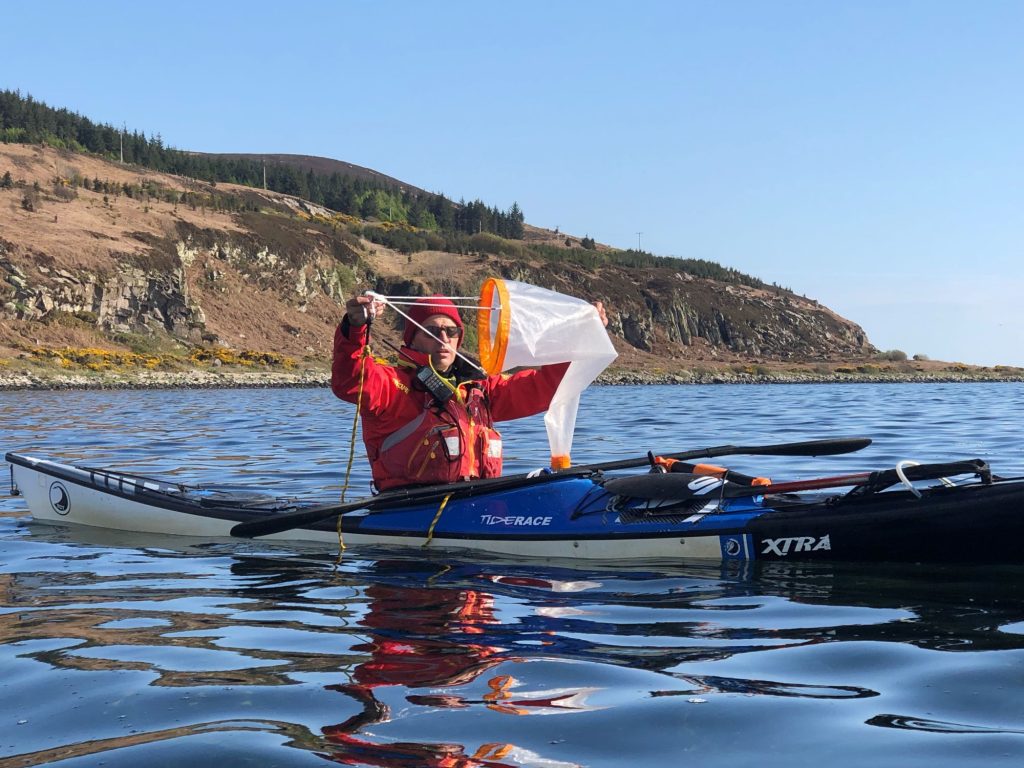
Part of this theme focuses on improving the health of Scotland’s marine and freshwater environments. We prioritise this aspect of the natural environment because of the scale and importance of Scotland’s seas, coasts, lochs, and rivers, and in response to research some years ago which showed a relatively low proportion of philanthropic funding for these environments compared to other causes.
I wanted to see what our grant-making in this area looks like alongside wider 360Giving data – and whether the pattern of funding continues to reflect our expectations.
What I found
Using GrantNav, I quickly pulled together all the grants we’ve made in this area since 2019. The data showed that:
- We’ve awarded 48 grants supporting work around marine and freshwater environments since 2019, totalling around £2.3 million.
- These grants support a range of organisations and activities – from conservation and restoration work to community engagement projects and research and advocacy.
- Our funding spans Scotland’s seas, coasts, lochs, and rivers, often supporting projects that are deeply connected to local communities.
I expanded the search to identify other grant-making organisations and lottery distributors funding in this space*. I could see that, while there is a lot of activity, philanthropic funding for Scotland’s marine and freshwater environments remains relatively modest.
Since 2019, around £16 million has been awarded in Scotland in this field by 20 grant-making organisations and lottery distributors who publish their data using 360Giving. I was interested to learn that:
- Foundation Scotland has awarded a higher volume of grants – approximately 56 grants, mainly local and small grants, totalling £494k.
- The National Lottery Heritage Fund has awarded a lower volume of grants but with some large restoration projects around freshwater environments (such as the Solway Coast and Marine Project) – approximately 14 grants totalling £5.9m.
- Esmée Fairbairn Foundation has invested substantial funding into a higher volume of grants (with healthy freshwater environments being a key strategic priority) – approximately 41 grants totalling £6.7m.
It’s encouraging to be part of a committed group of funders supporting this work, and the data from 360Giving (with the relatively low proportion of independent funding) indicates that this continues to be a cause where our contribution can make a meaningful difference.
Beyond the data
GrantNav and its visualisation tool, GrantVis, are also particularly useful for exploring connections between funders and organisations. We can explore everything from the average age of supported organisations to geographic clusters of funded activity around Scotland’s coastal areas (such as Argyll) and waterways.
Seeing all this data gives us a clearer sense of where our funding sits within the wider landscape and where there may still be opportunities or gaps. It highlights opportunities for sharing learning and building connections between funders working on a focused theme.
My colleague, Elaine, who supports our marine and freshwater environment work and regularly keeps in touch with other key funders in this space, finds that having this shared data helps her stay up to date. It gives her a quick way to spot organisations others are supporting and see who else is active in the field. This is a great example of how open data can support more joined-up funding and help us stay in touch with what we, and our grantees, are learning.
Open to anyone
If you’ve not used GrantNav before, I’d really recommend exploring it. It’s surprisingly easy to navigate, and 360Giving run regular introductory workshops to help you get the most out of it – you can sign up on their website here.
If you want to explore our grants specifically, you can find all the details, including downloadable spreadsheets, on our grants data page.
*Note that this was a simple search and analysis of the data containing the keywords ‘marine’, ‘aquatic’, ‘coastal’, ‘seas’ and ‘freshwater’ and with the region tagged as Scotland. A more focused search and analysis of the data will likely identify additional grants, but this simple search was a useful starting point for exploring a theme in 360Giving.