13 May 2026
Explore what we’re learning about preventative and collaborative approaches to support health and wellbeing.
Rowan Boase
Photo: Maggie’s
Across Scotland, people’s health and wellbeing are shaped long before a crisis point – but too often support comes too late and too fragmented. Our Health and Social Causes strand seeks to help break cycles of disadvantage, prevent harm, and support people affected by ill health, disability or disadvantage to have more agency and control over their lives.
Across our funded partners, we see how early help that is collaborative and person-centred, and that builds communities of support, empowers people and helps us to stay well. And the third sector, through close working with cross-sector partners, can help to demonstrate this holistic approach and shift systems to work better for people.
Why early, relational support matters
When support comes early – before a situation becomes overwhelming – people have more space to breathe, connect and make decisions with confidence.
We see this clearly in early years and family support. Because a baby’s earliest experiences shape the architecture of their developing brain, nurturing, emotionally attuned care can help lay the foundations for lifelong wellbeing for a child.
Multi-Cultural Family Base (MCFB), for example, works with ethnically diverse families across Edinburgh, offering culturally responsive support from pregnancy onwards. Recognising how difficult it can be to give birth and parent without networks or in a new cultural context, their approach models curiosity, respect and cross-cultural understanding. By listening closely, tailoring support, and working in partnership with health professionals and social workers, MCFB helps families build stability, connections and confidence.

Learn more about MCFB’s culturally responsive support for families in their spotlight story.
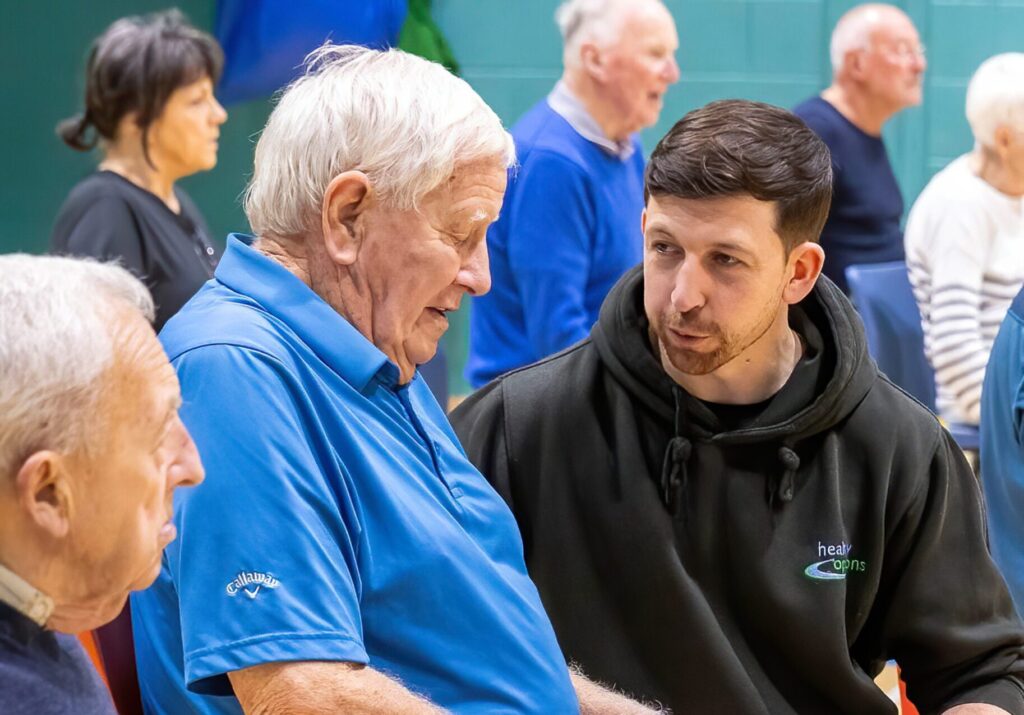
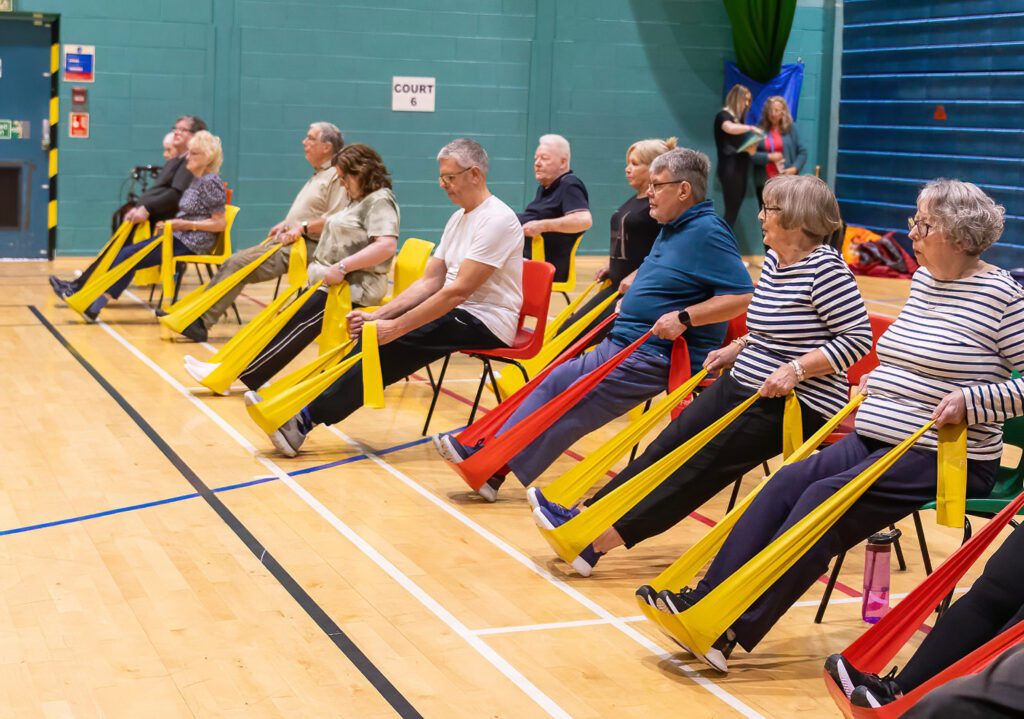
Later in life too, preventative, responsive support helps safeguard our wellbeing. Lorn & Oban Healthy Options support adults to stay active and connected and have deliberately evolved their approach towards flexible, long-term support.
Recognising that short, time-limited progammes could unintentionally create a “cliff edge” of support, they reshaped their work to allow people to move flexibly between different services as needs change – creating a pathway to “catch somebody early” and sustain wellbeing over time. This flexible structure is now central to their preventative approach: spotting changes sooner and helping people stay active, connected and well over the long term.
Across these examples, early intervention is a way of working: be present before crisis, build trust slowly, listen deeply, adapt support, and strengthen people’s own agency.
Listen to participants share how Healthy Options is helping them stay active, connected and well in this short film by Beth Chalmers.
Knitting the social fabric that holds us
Grantees supported through the Health and Social Causes strand are all engaged in building communities of support of one kind or another – facilitating the informal networks, peer groups and community spaces that help people stay connected, reduce loneliness and build resilience. It’s a key method of ‘doing’ prevention and empowering folk.
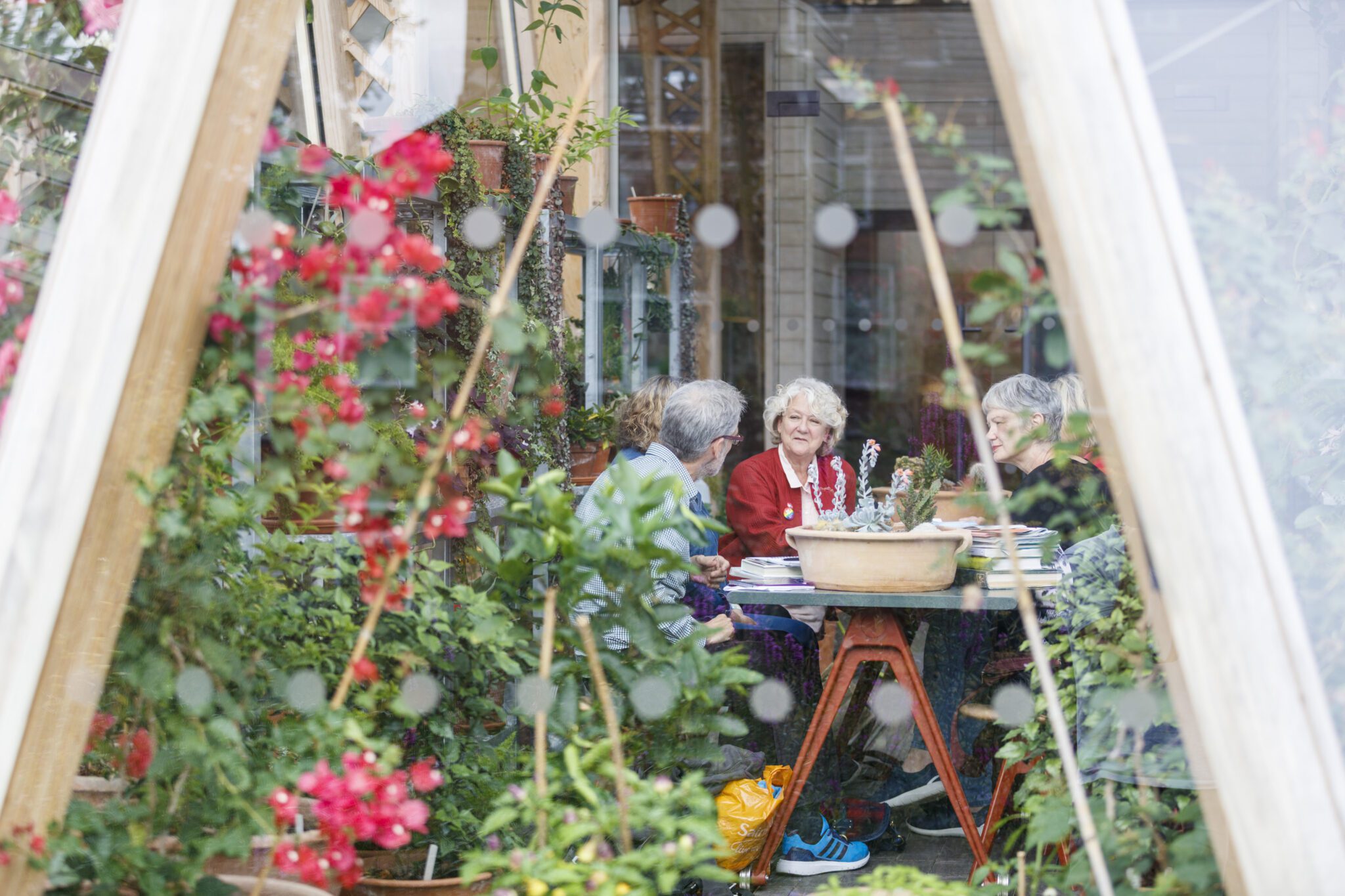
Whether it’s a parent group, a community hub or a sports club – we all need opportunities to form meaningful relationships and to feel part of something.
Peer support can be uniquely powerful: people feel understood, not judged; peers can offer deeply personal insights; and people can build confidence and find purpose through mutual support.
For example, Men’s Sheds are peer-led spaces where men can build friendships, regain purpose and stay connected. Participants report improved wellbeing, reduced loneliness and, in some cases, life-saving support through renewed connection. And behind the scenes, the Scottish Men’s Sheds Association supports over 200 Sheds across Scotland, helping them get off ground and to run effectively.
Local Home-Start charities work with families across Scotland from pregnancy through to school age. Although the bedrock of the Home-Start model is one-to-one support, opportunities to attend groups are almost always available too.
At Home‑Start Glasgow South, “Warm Place” groups have become an essential source of connection and support for families. Across four weekly sessions up to 250 families each year find a safe, welcoming space to play, meet others and access practical help. This offers a cost-effective way to reach many families and provide immediate support and triage – while building peer networks that help parents stay steady through the ups and downs of family life.
These communities matter because they strengthen the “social fabric” around us — the relationships that hold us, help us cope with change, and prevent small challenges from becoming crises. They can also show us that we have power as a collective to help ourselves and others.
Working together builds stronger support
The issues people face rarely fall neatly within the remit of a single service or sector. Collaborative approaches have a better chance of addressing the messy complexity of real life, bringing together the strengths of different partners, and helping us to see the whole person.
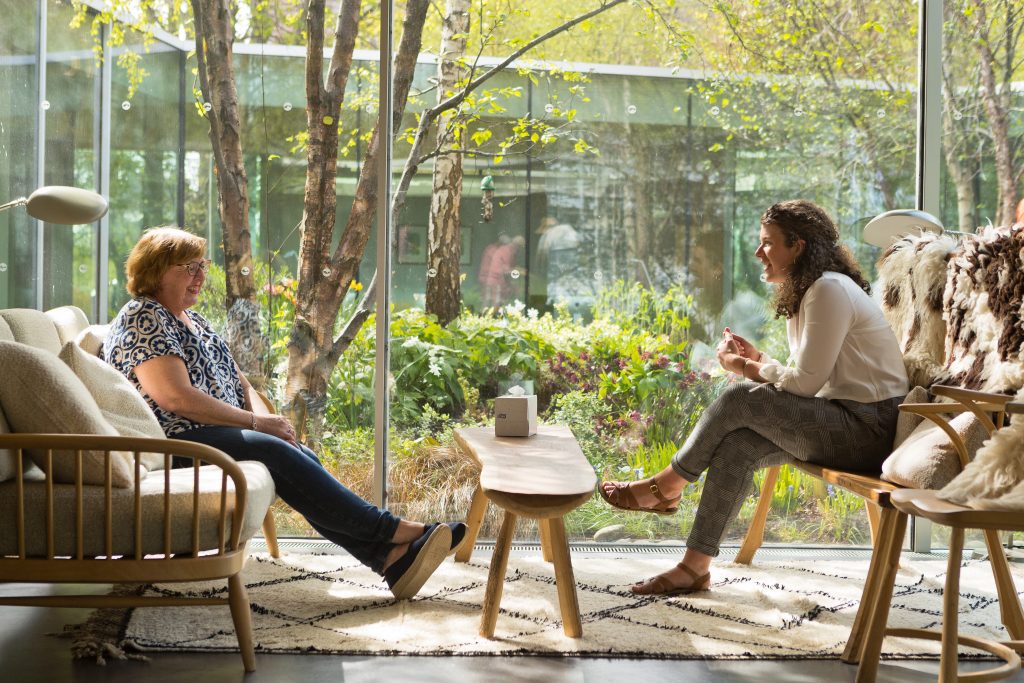
Maggie’s centres embody this approach, offering welcoming, therapeutic and non‑clinical spaces co-located with NHS cancer services so people can access emotional and social support alongside medical treatment provided by NHS partners.
3D Families has also invested deeply in collaborative working. Acting as a trusted local anchor within Drumchapel, they work alongside health visitors, social workers and nurseries to ensure families get the right support early. By leading the Drumchapel Children & Families Network, they bring practitioners together to learn, reflect and problem-solve — strengthening relationships and building shared approaches across the system, so that it works better for families.
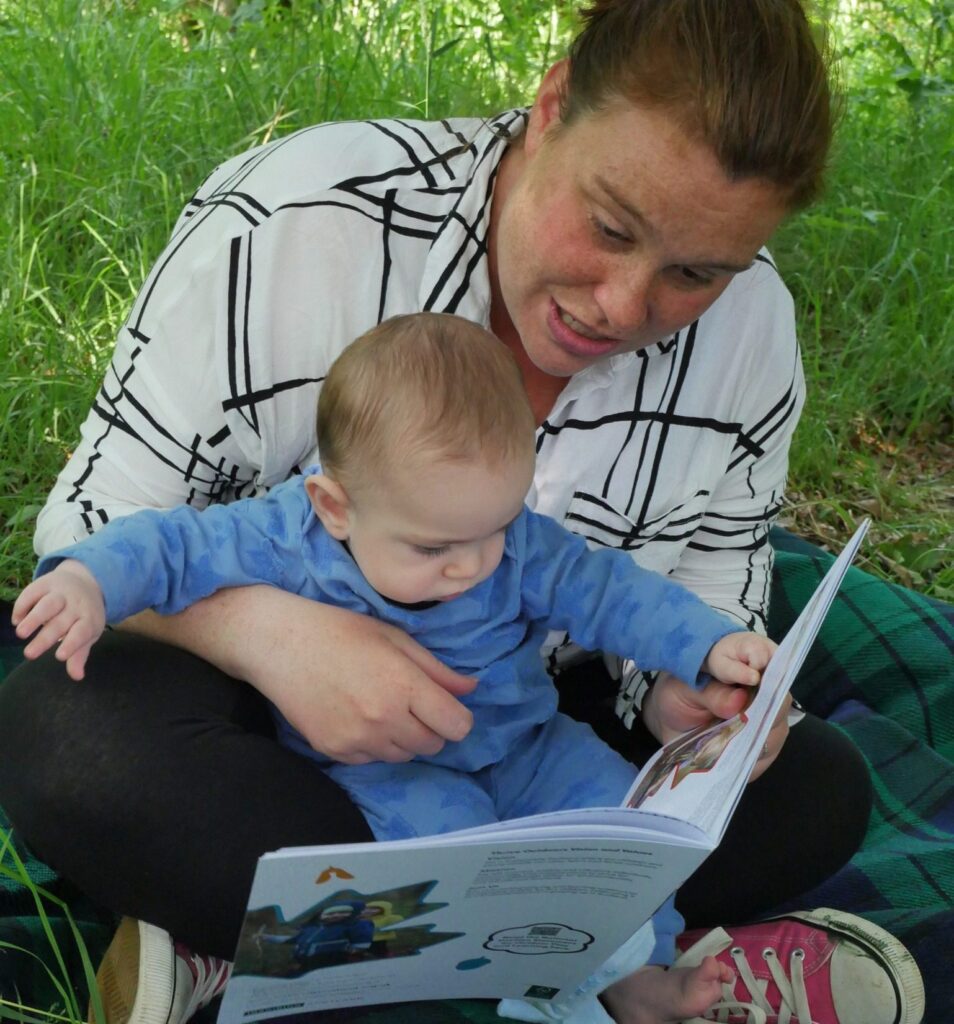
Learn more about 3D Families and their approach in this spotlight story, A part of the family.
In Edinburgh, Dean & Cauvin Young People’s Trust are also using partnership working to help change systems for the better. Working with City of Edinburgh Council, NHS Lothian and others, they are supporting young families facing challenges from pregnancy onwards.
The partnership is delivering intensive support, providing residential placements and training practitioners in infant-led tools. Together, they are developing a shared approach grounded in emotionally attuned, relationship-based care and making changes to practice that they hope will stick for the long-term.
These approaches show how collaboration – grounded in trust and relationships – can make support more joined-up, preventative and human. And when the third sector’s relational strengths are married with the statutory sector’s reach and infrastructure, the result can be a stronger, more coherent ecosystem of support.
Empowering people and organisations
Across all of this work, empowerment runs as a consistent thread: people feeling more confident, more connected, more understood and more able to shape their own lives. Whether through early relational support, peer networks or joined‑up approaches, the impact goes beyond service delivery to people finding their footing, their voice and their agency.
But none of this happens without resources. The current fundraising environment is particularly challenging for charities delivering relational, community‑based and preventative support – work that is vital but often resource‑intensive and less suited to short‑term outcomes and funding.
We know that multi-year, flexible funding can help with this. It gives organisations space to be responsive, work holistically, build trusting partnerships and be part of in the complex, long-term work of improving how systems support people.
When we invest in organisations in this way, we hope to support the relationships, stability and creativity that enables communities across Scotland to thrive.