12 February 2026
Nurturing strong foundations for families to thrive: 3D Families
William Grant Foundation
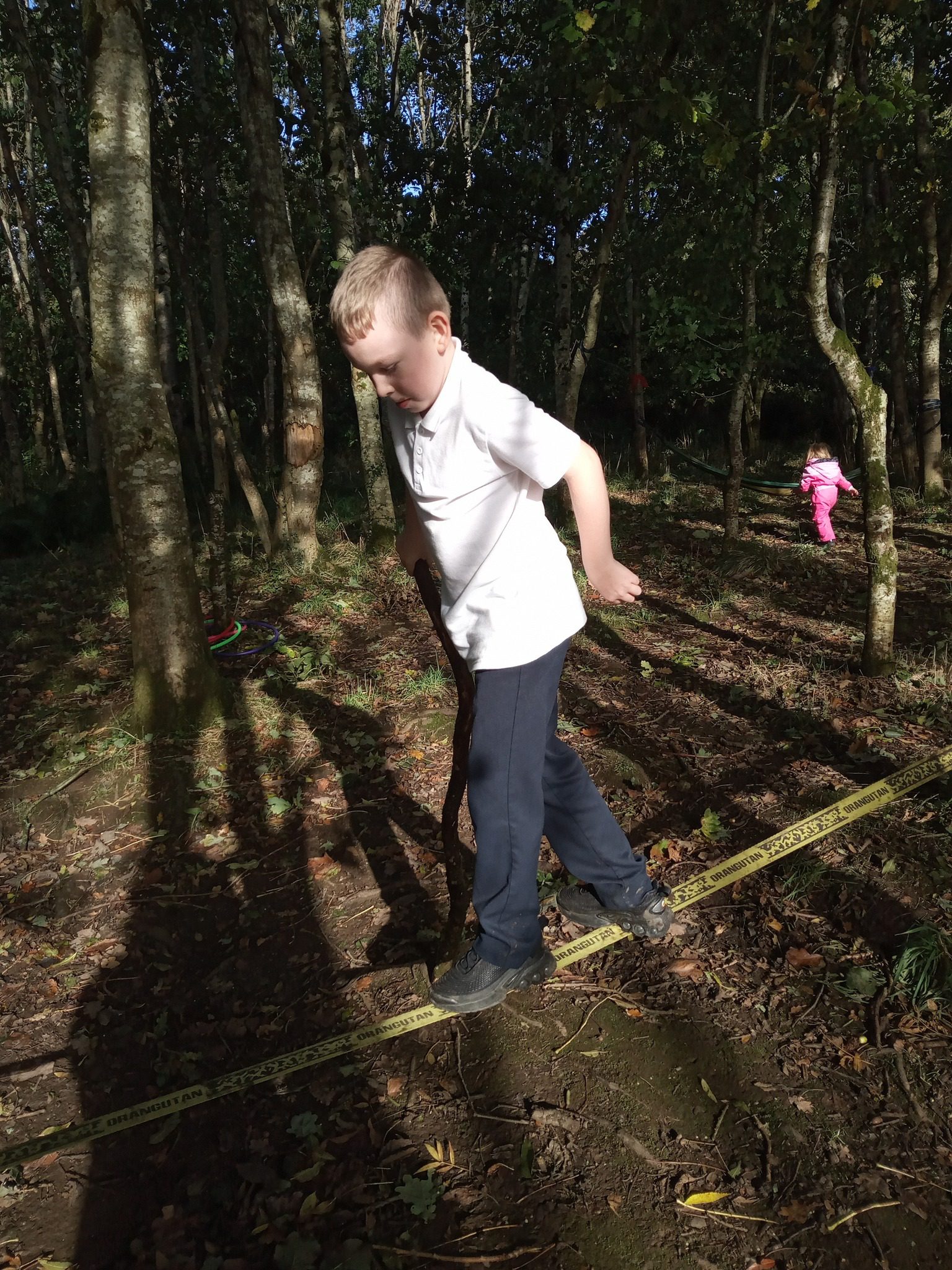
Outdoor fun with 3D Families.
Key learnings:
- Trusted community organisations play a critical role in helping families navigate systems and engage with services.
- Learning to recognise and cope with different feelings and emotions is a central element of family support for parents and children.
- Partnership working at a local level can drive improved practice and meaningful change for families.
- Flexible funding creates space for charities to plan, adapt and invest in strengthening their organisation.
For almost 30 years, 3D Families (formerly 3D Drumchapel) has been a steady and trusted presence for families in Glasgow, offering practical help, emotional support and consistent relationships.
The charity’s team of support workers and volunteers walks alongside families in Drumchapel on the north‑western edge of the city as they navigate uncertainties and challenges, providing kindness and a space free from judgement.
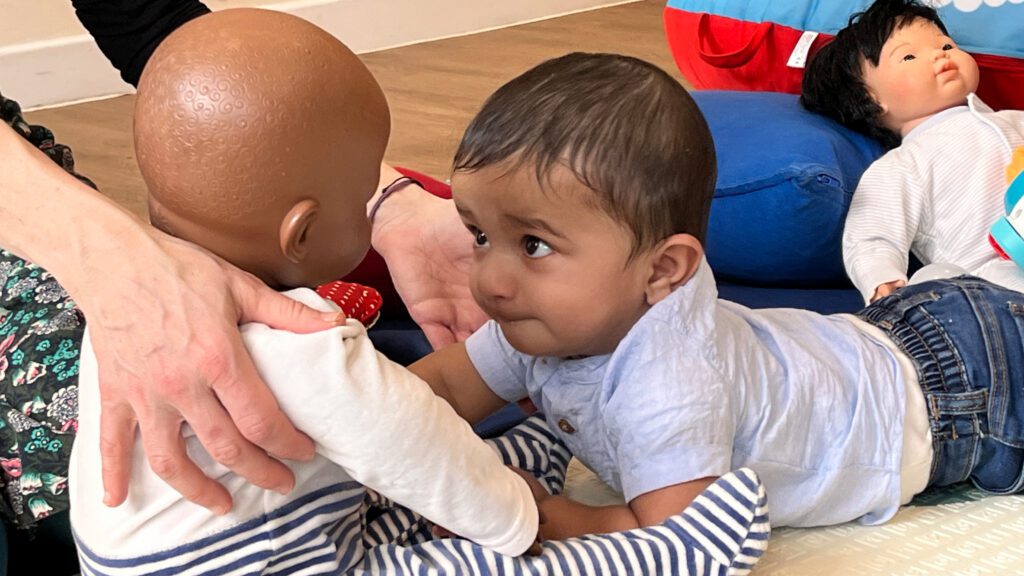
Through wide-ranging family support services and activities – such as pregnancy and parenting programmes, parent‑and‑child activities, play sessions, intensive one‑to‑one support and peer groups – they support families to give their children the best start in life.
Our relationship with 3D Families began in 2019 and is still supported through our Health and Social Causes strand. It reflects our shared focus on the early years and our belief that the first 1,000 days – the critical period from conception to age 2 – are shaped not by any single factor, but by the whole environment surrounding a baby.
A trusted local anchor
3D Families occupies a role that is difficult to design into a system but easy to recognise in practice. As a local charity, families often feel able to engage with 3D before approaching statutory services, particularly when previous experiences have left them feeling misunderstood or scrutinised. For some parents – especially those with experience of the care system or past social work involvement – this is even more pronounced.
The charity has strong relationships with health visitors, social workers and other local partners. They undertake joint home visits, hold informal conversations to problem-solve, and help services understand more about the issues and experiences affecting the families they work with.
This bridging role – trusted by families and respected by professionals – is strengthened by the cross‑sector partnerships 3D has built over time. This includes their leadership of the Drumchapel Children & Family Network, which brings local practitioners together through networking meetings, film screenings and training sessions, creating opportunities to share learning, strengthen relationships and improve practice.
These relationships help create more coherent and consistent support around families, even when the many services and systems they need to engage with are fragmented.
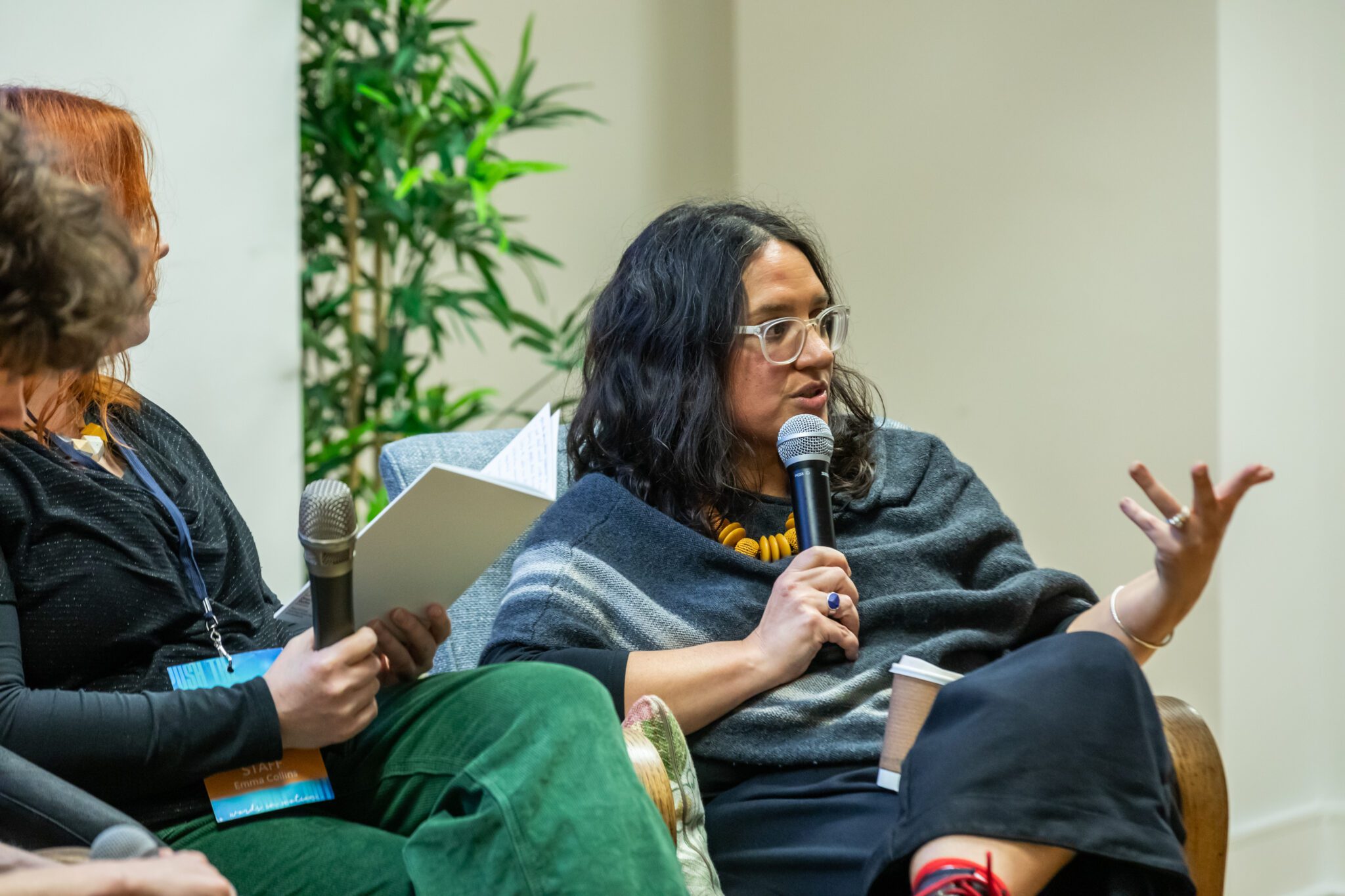
As 3D’s Chief Executive, Sharon Colvin, says:
“We kind of act as that cog… linking families and services and making sure the wheel keeps turning.”
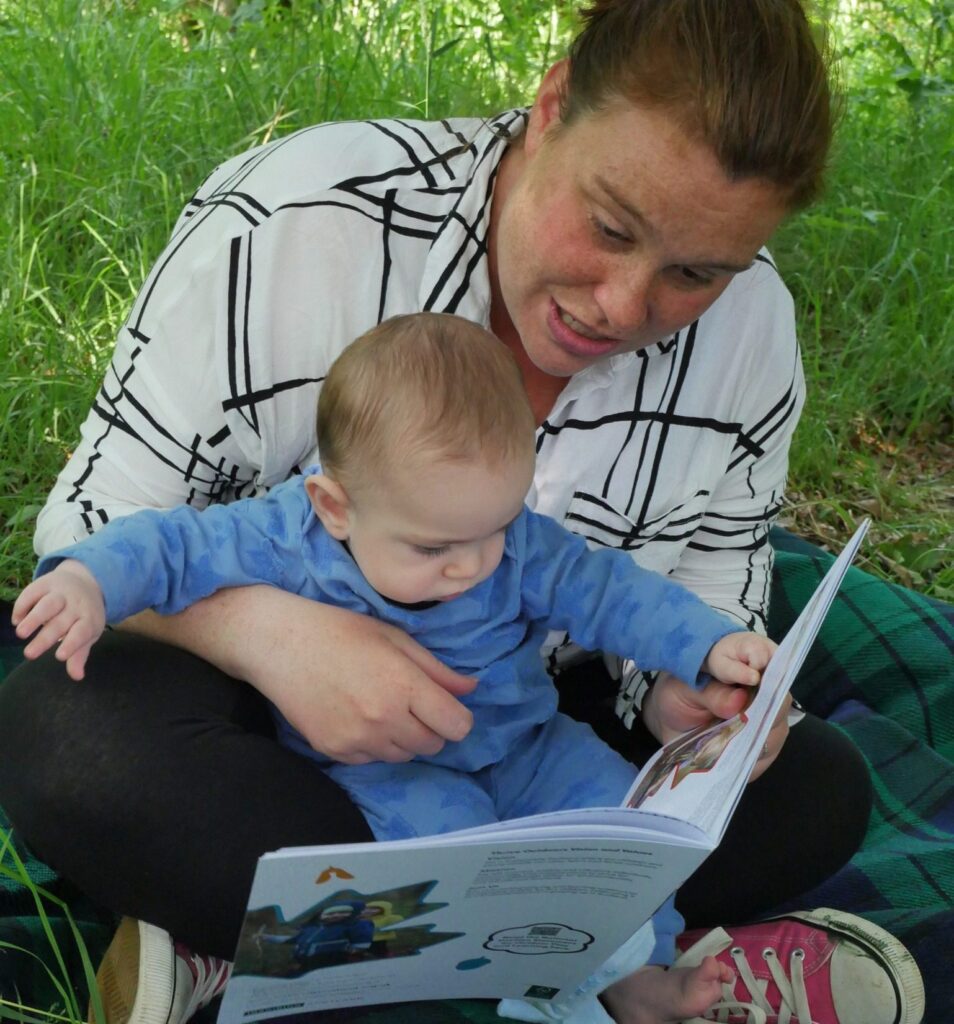
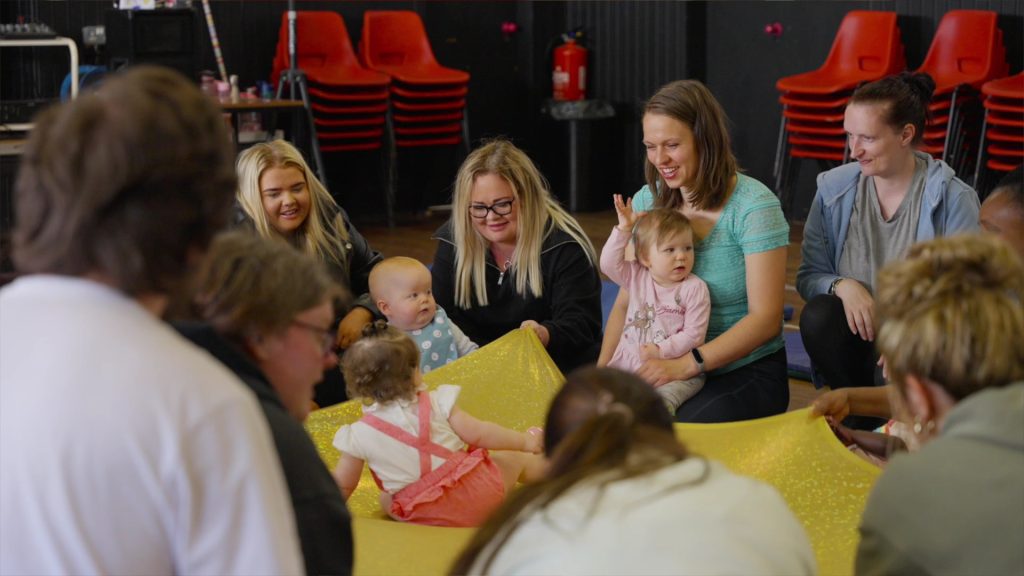
3D Families provide safe spaces for families to pause, build confidence, connect and support each other.
A safe and relational space
Emotional regulation has become an increasingly important part of 3D’s work. Many families are navigating heightened stress: financial pressure, long waits for services, challenges in education settings, and the daily demands of caring for young children.
Supporting parents to recognise and cope with their own feelings and emotions so they can help their children regulate their emotions has become central to their practice. As Sharon Colvin explained:
“Life’s just very stressful for parents everywhere… everybody can benefit from parenting support at some point.”
Much of 3D’s work is therefore about creating safe, predictable, relational spaces where parents can pause, reflect and reset – knowing they are not alone. Over time, 3D has also become a place where families connect through group activities and drop-in sessions at their local base, supporting each other, taking steps at their own pace and building confidence in caring for their children.
Adapting to emerging needs
One of the most significant changes 3D Families is seeing is a sharp rise in the number of families seeking support around neurodivergence. Many face long waits for assessment and then receive little meaningful follow-on support. As statutory pathways become stretched, families increasingly turn to 3D for guidance, reassurance and community.
Their support in this area has grown organically over time and is shaped directly by what parents say their children struggle with day to day – e.g. delivering movement‑based sessions to help children build physical skills, coordination and confidence. Local speech and language teams now routinely signpost families to 3D after diagnosis of conditions such as ADHD or autism – reflecting both trust in their approach and the gaps families face elsewhere.
Responsible innovation
3D Families also has a long history of testing and piloting new approaches where they see unmet need – e.g. perinatal support, helping parents from pregnancy through the first year after birth. Being embedded in the community means they can respond early and learn quickly from real life experiences. Sharon described this simply as being: “trusted to try.”
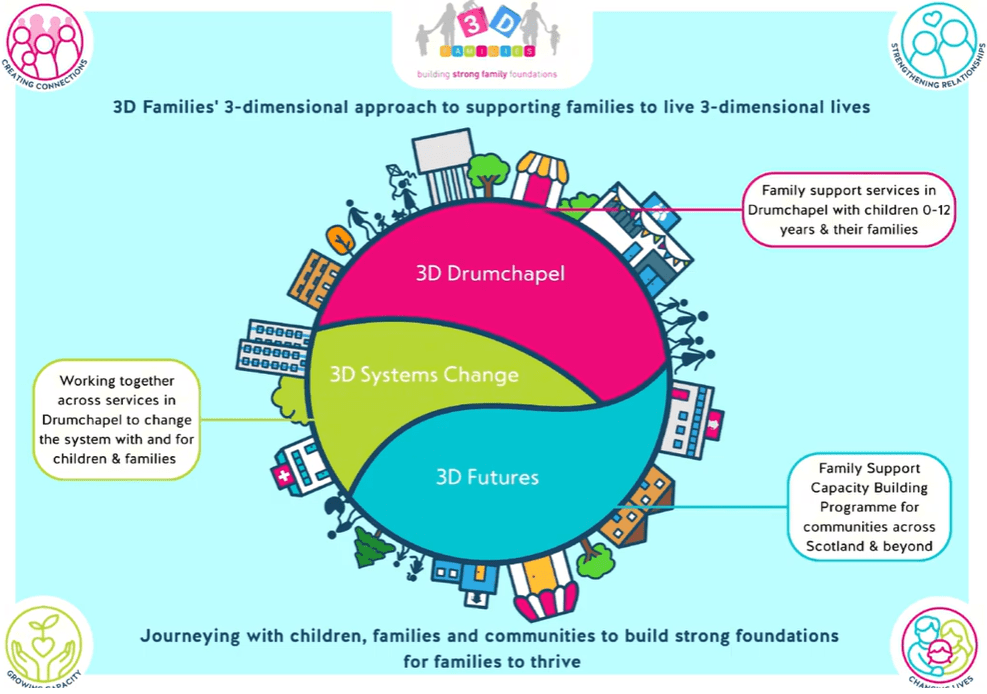
Watch this short video to learn more about the three dimensions of 3D Families.
The team also knows that working in this way brings responsibilities as well as opportunities. When something is working well, more partners may want to refer families, which means planning together so that there is capacity to meet demand. And as others look to learn from or use 3D’s approach in new areas, it’s important to consider how the key elements that make it effective can be sustained in new contexts.
This approach offers valuable insight into responsible innovation in early years work – creative and grounded in genuine partnerships.
Thinking beyond Drumchapel: 3D Futures
Building on years of learning, the team has now developed 3D Futures – a social enterprise that supports other communities to develop their own locally rooted family support services, through training, coaching and consultancy.
Their approach to working with other communities mirrors how they work with families: building capacity gradually, walking alongside rather than instructing, and adapting to each context.
This new dimension to 3D’s work is driven both by an ambition to strengthen family support more widely and by the need to diversify income in a challenging funding environment. And in sharing their learning outwardly, they also bring new insight back into Drumchapel – a reinforcing loop of practice and reflection.
Why flexible funding matters
Our support for 3D Families has been in the form of multi-year unrestricted funding – which means the charity can decide how it’s used from year to year. This flexible funding has played an important role in enabling 3D to work in the way described above.
It has allowed them to adapt to emerging needs, rebalance delivery without delay, and make strategic decisions – such as creating a Head of Operations post, which freed leadership capacity to develop 3D Futures. Reflecting on the importance of this, Sharon said:
“Unrestricted funding like this is still an unusual thing to get… we didn’t want to waste it.”
Rather than automatically expanding delivery, flexible funding has created space for thoughtful planning and investment in strengthening the organisation – the benefits of which will ultimately be felt by families in Drumchapel and beyond.
Looking ahead
3D Families show what becomes possible when an organisation has deep roots in an area and its work is grounded in strong relationships with families, the community, and local partners. For 3D Families, the future is about holding steady to these principles, even as they continue to learn and evolve.