23 April 2026
Our reflections on how inclusive creative activities can result in the most engaging work.
Rowan Boase
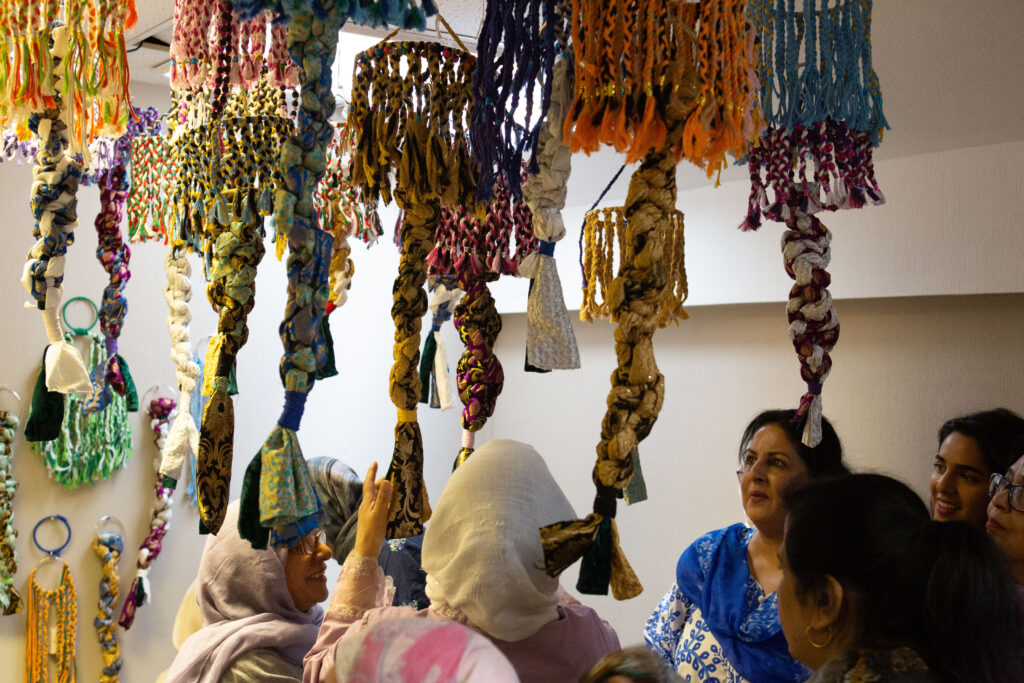
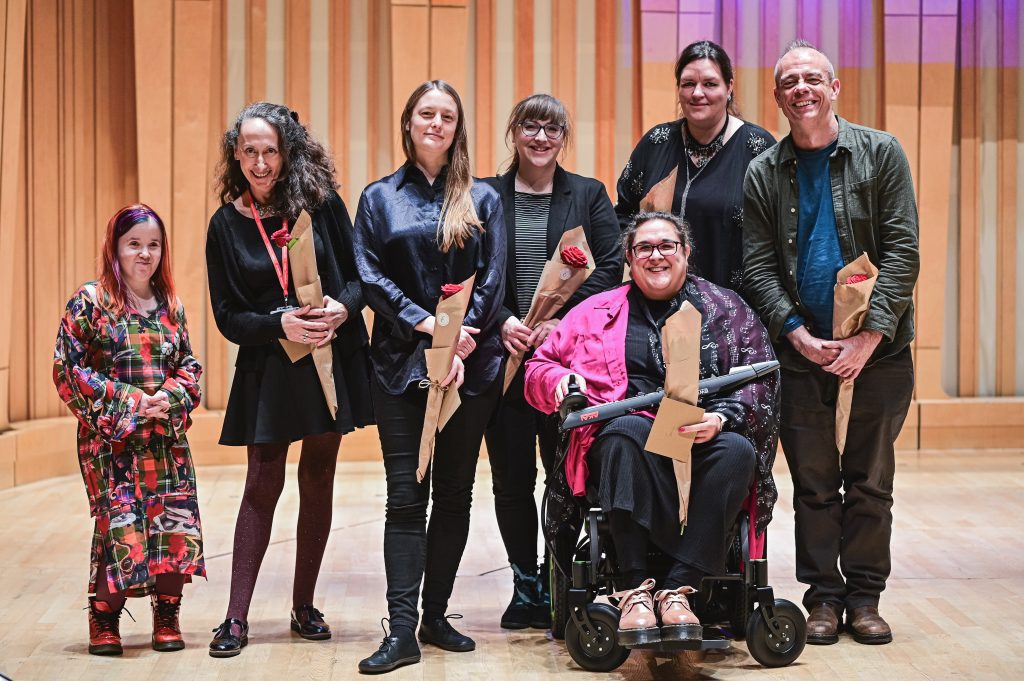
Photo: Sculpture Placement Group
Our annual review offers a great opportunity to step back and reflect on what we’ve been learning in each of the fields we operate in. In our Scottish Culture and Heritage strand, a theme I’ve noticed – and some partners have helpfully explained to me – is the relationship between inclusion and “quality” in cultural work.
There can be an assumption that quality and inclusion are in tension – that bringing more people into the creative process dilutes artistic excellence, or that work led by communities has to be more modest in ambition. But the reality we see is quite the opposite.
Across Scotland, there are many examples of exciting creative work emerging in places you might not expect and from people who have previously been marginalised in cultural life. This creativity in “unlikely places” challenges narrow ideas of where high-quality art can come from, and who gets to be seen as an artist in the first place.
A diversity of voices makes richer work
Art can often become richer, braver, more inventive – and ultimately more impactful – when more people are invited to shape it. Our funded partners show us how opening up authorship leads to cultural work that is diverse in form, breaks new ground and is deeply connected to the people who make it.
Tinderbox Collective, for example, is a community of young people, musicians, artists and youth workers based in Edinburgh. Using music and the arts, they provide workshops, courses, residencies and apprenticeships, working with hundreds of children and young people aged 10–25, from all backgrounds.
Their flagship Tinderbox Orchestra brings together rappers, singers, strings, brass, woodwind and a thundering rhythm section, blending genres and perspectives in exciting, boundary-pushing ways. The dynamic is not expert vs learner, but one where all voices are heard. And the sheer eclecticism of voices involved isn’t a compromise — it’s the source of the work’s energy and innovation.
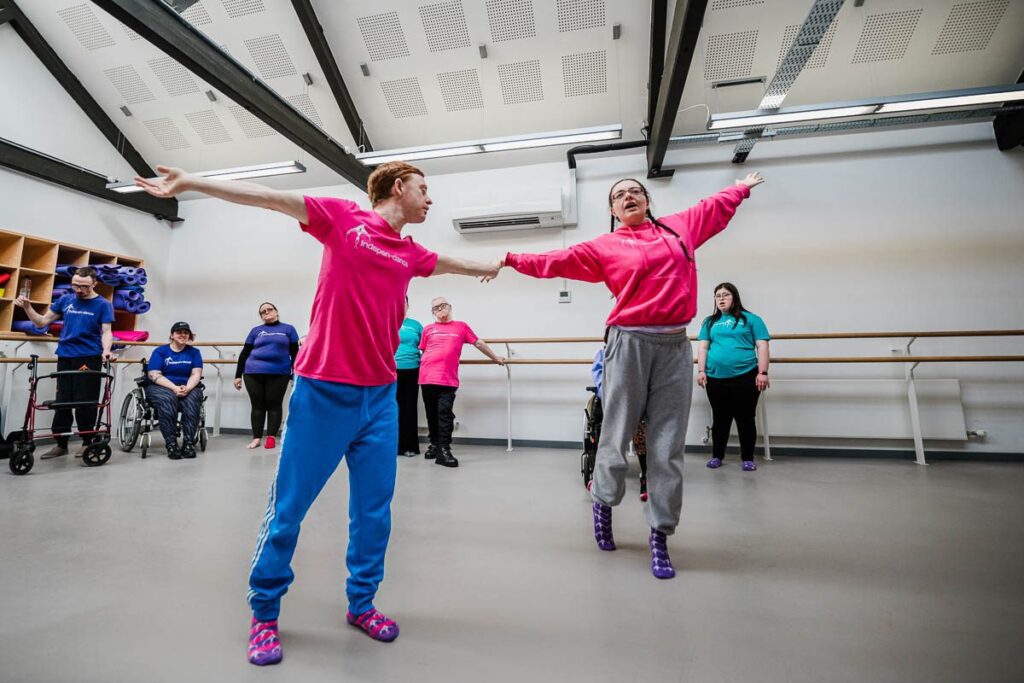
Watch this short film about Indepen-dance’s work in 2025.
Photo by Brian Hartley.
Indepen-dance enables disabled and non-disabled dancers to collaborate fully in the creative process. This approach not only removes barriers; it puts everyone on an equal creative footing. From their open weekly classes through to their performance groups that tour internationally, Indepen-dance show that creative expression is embodied in us all, and that what we create together is richer and more widely resonant than what we can do alone.
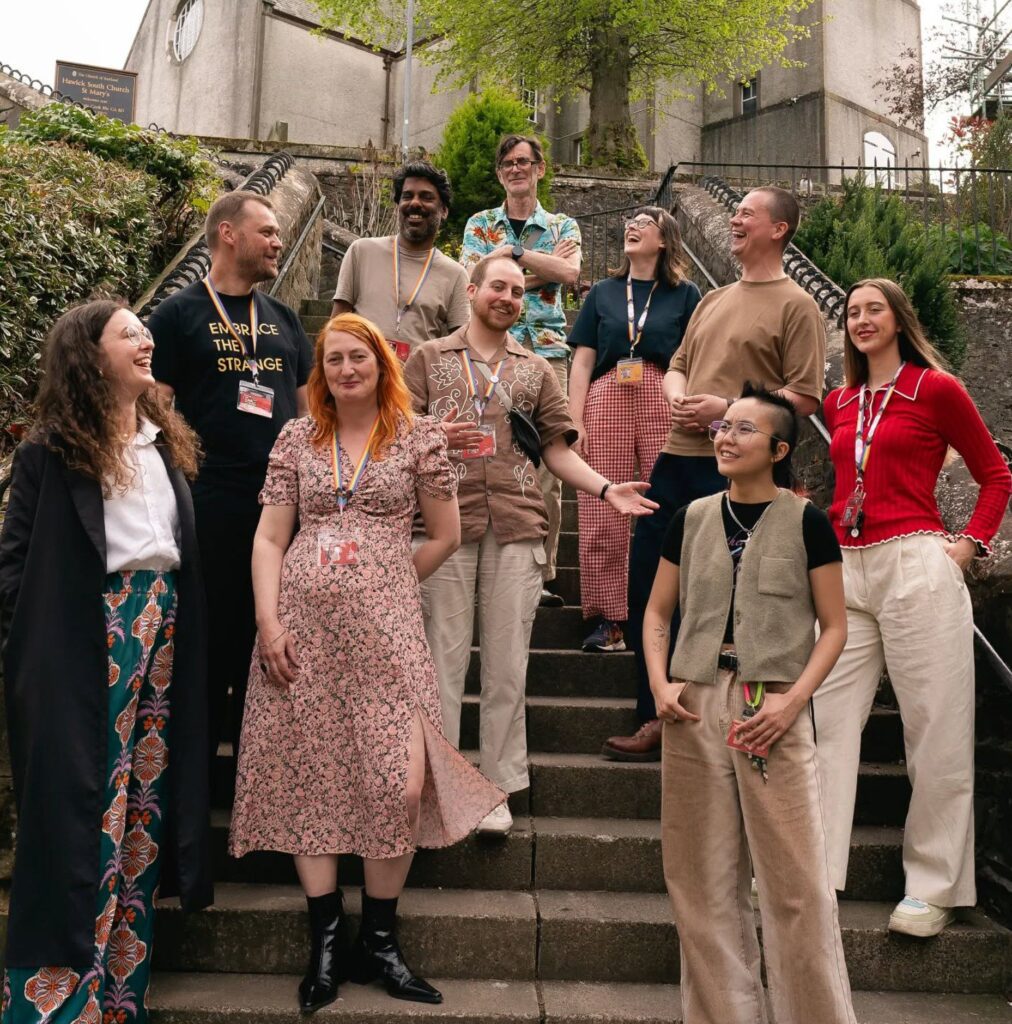
Alchemy Film & Arts shows how rural arts organisations can hold local experience and global perspectives in the same creative space. Through their annual experimental film festival, artists’ residencies and year-round community programme, they bring together international artists, local residents and young people in Hawick, creating a rich exchange of ideas that deepens engagement and fuels originality.
Learn more about Alchemy Film & Arts in this spotlight story, A world of creativity.
Photo by Sanne Gault.
Pride of place: creativity and community grow together
Some of the most powerful cultural work begins when communities see themselves and their stories reflected on stage, on screen or in song. In places around Scotland, culture is acting as a form of regeneration: not by parachuting in, but by working alongside communities, elevating local talent, and creating new work rooted in lived experience. When cultural activity grows from the ground up, it becomes a source of belonging as well as creative expression.
A tryst is an old Scots word for a meeting place and the Cumnock Tryst brings world-class musicians into the heart of East Ayrshire to take to the stage alongside local voices. By creating these spaces and events, the Tryst is challenging assumptions about where high-quality music can be found and who it’s by and for – and in doing so building confidence, pride and belonging.
For example, the Musical Celebration of the Coalfields project involved more than 350 local people across Cumnock and beyond, who worked alongside artists to create new texts, songs, films and photography inspired by the area’s coalfield heritage. Participants explored themes of coal, landscape, community and memory, producing ten original songs performed by community groups and premiered with the BBC Scottish Symphony Orchestra.
The Glasgow Barons are also demonstrating how music can be a powerful driver of place-based regeneration in Govan — not only by bringing high-quality cross-genre music directly into local venues, but also by making sure that Govan’s people, stories and voices are centred in the process.
Founded to rebuild local pride, confidence and connectivity through music, the organisation platforms local singer-songwriters, school choirs, older people, refugee musicians and people in recovery, to develop and perform new work. Crucially, the work is shaped around the issues local people raise.
As Govan undergoes change, the Glasgow Barons are helping to put the area on the cultural map on its own terms: a place where diverse voices are heard, where local talent is nurtured and paid, and where world-class music is for everyone.
Setting the stage, changing the narrative
We also notice how, when barriers are removed for voices that were previously unheard, cultural expression more broadly can become more relevant and more representative of Scotland as a whole.
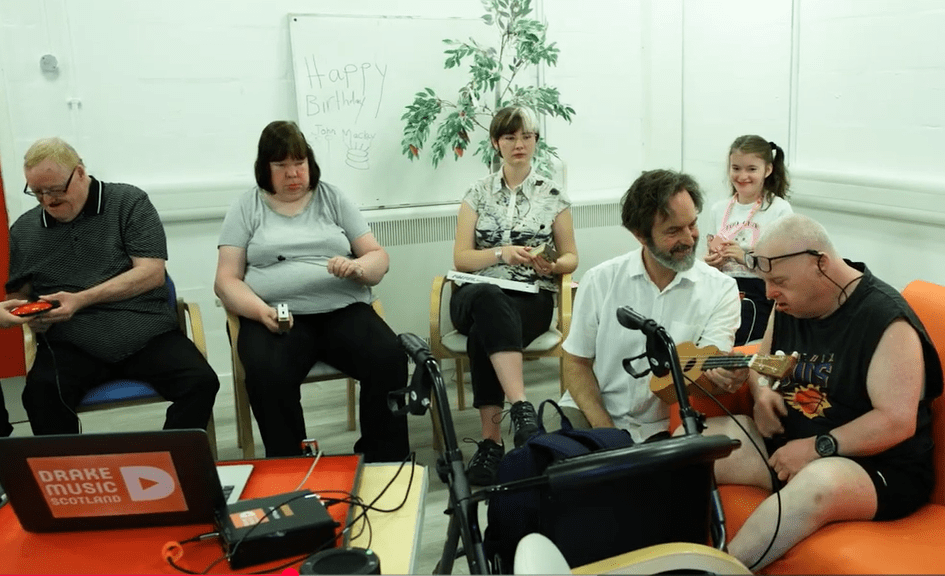
Drake Music Scotland (DMS) facilitates disabled people to be creative leaders, using inclusive technologies and adaptive instruments to enable disabled musicians to learn, create and perform on their own terms. This opens artistic possibilities that wouldn’t exist without disabled leadership at the centre of the process.
Through their DMS Create programme, disabled artists lead new work and are supported in their career development, including to access mainstream opportunities at the highest level. By building partnerships, they are pushing the mainstream cultural sector to become more inclusive and to recognise disabled artists and their work.
Drake Music Scotland is clear-eyed about what true inclusion requires: access support often increases project costs by around a third, whether through additional time, specialised communication support or tailored travel. But when access support is flexible and properly resourced, the result is not only equity — it can enrich and shift the mainstream.
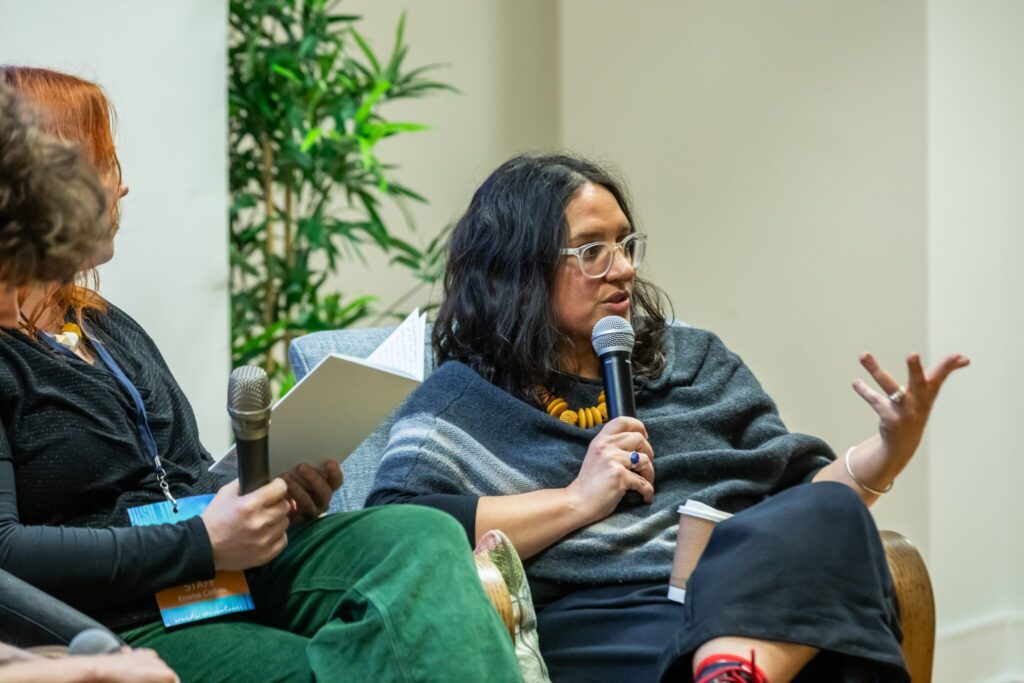
Push the Boat Out (PTBO) deliberately platforms voices that might otherwise be absent from mainstream poetry — bringing together more than 120 artists from Scotland and beyond, with around a third from ethnic backgrounds other than White British and over 60% identifying as women or non-binary.
By bringing together artists from across spoken word, hip hop, rap, theatre, experimental music and visual art, PTBO expands what poetry can be and who it is by and for. Their engagement projects with groups like SCOREscotland, The Simon Community and Amnesty International UK show poetry’s accessibility as a form of expression for people who may never have seen themselves reflected in literary culture before.
Through their annual festival, PTBO shows that poetry is enriched when more people, languages, perspectives and lived experiences are given a platform. Photo by Chris Scott.
Ripple effects for people, organisations and beyond
When organisations embed inclusion not as an add-on but as a source of creative strength, beside the art created, the process itself also creates value at various levels.
For individuals, the impact can be transformative: people gain confidence, agency and a sense of belonging, often developing creative identities they never previously imagined for themselves.
For organisations, working with a broader range of voices enriches practice — broadening the ways organisations make and think about creative work and strengthening the skills and perspectives within teams.
Communities also feel the difference. When people see their stories, cultures and experiences reflected and valued, trust can grow, participation can deepen and cultural spaces can begin to feel like extensions of community life rather than distant institutions.
New talent emerges helping build a vibrant cultural sector that is more representative of the diversity of Scotland today.
And at the level of place, these inclusive approaches shift perceptions: towns, neighbourhoods and rural areas often overlooked in cultural maps become recognised as creative destinations, full of energy and potential.
How can funders create the conditions to help this work flourish?
We are learning that there are various things that we as funders can do to help (or hinder!) exciting and inclusive cultural work across Scotland. We believe that funders like us have an important role to play in helping to create the conditions where cultural organisations can genuinely collaborate with communities of many kinds. We can:
- Take a funding approach grounded in an understanding of the inequities many marginalised groups experience – and make a commitment to resourcing organisations to dismantle these barriers, rather than work around them.
- Support approaches that share power: backing organisations to experiment, sit with uncertainty, reflect openly on learning, and create space for communities to lead.
- Provide long-term, flexible and trust-based funding that gives organisations the stability to build relationships, the time to work at the pace that’s needed, and the freedom to shape projects responsively. Read more about what we’re hearing about the quiet power of flexible funding.
- Recognise the real costs of access — from translation and transport to additional staff time, specialist support and co-creation processes. And by valuing these as essential rather than optional.
- Provide resources to enable everyone to be paid fairly for their time and expertise – which could include lived experience.
We’re not perfect at any of these; we continue to work on listening, learning and evolving our practice. And we always welcome any suggestions, ideas or feedback for us.
We hope that through endeavouring to take these approaches, we can play a small part in helping to create an inclusive and thriving cultural ecosystem that allows people, places and ideas to flourish.