13 April 2026
A rural home for international film and storytelling: Alchemy Film & Arts.
William Grant Foundation
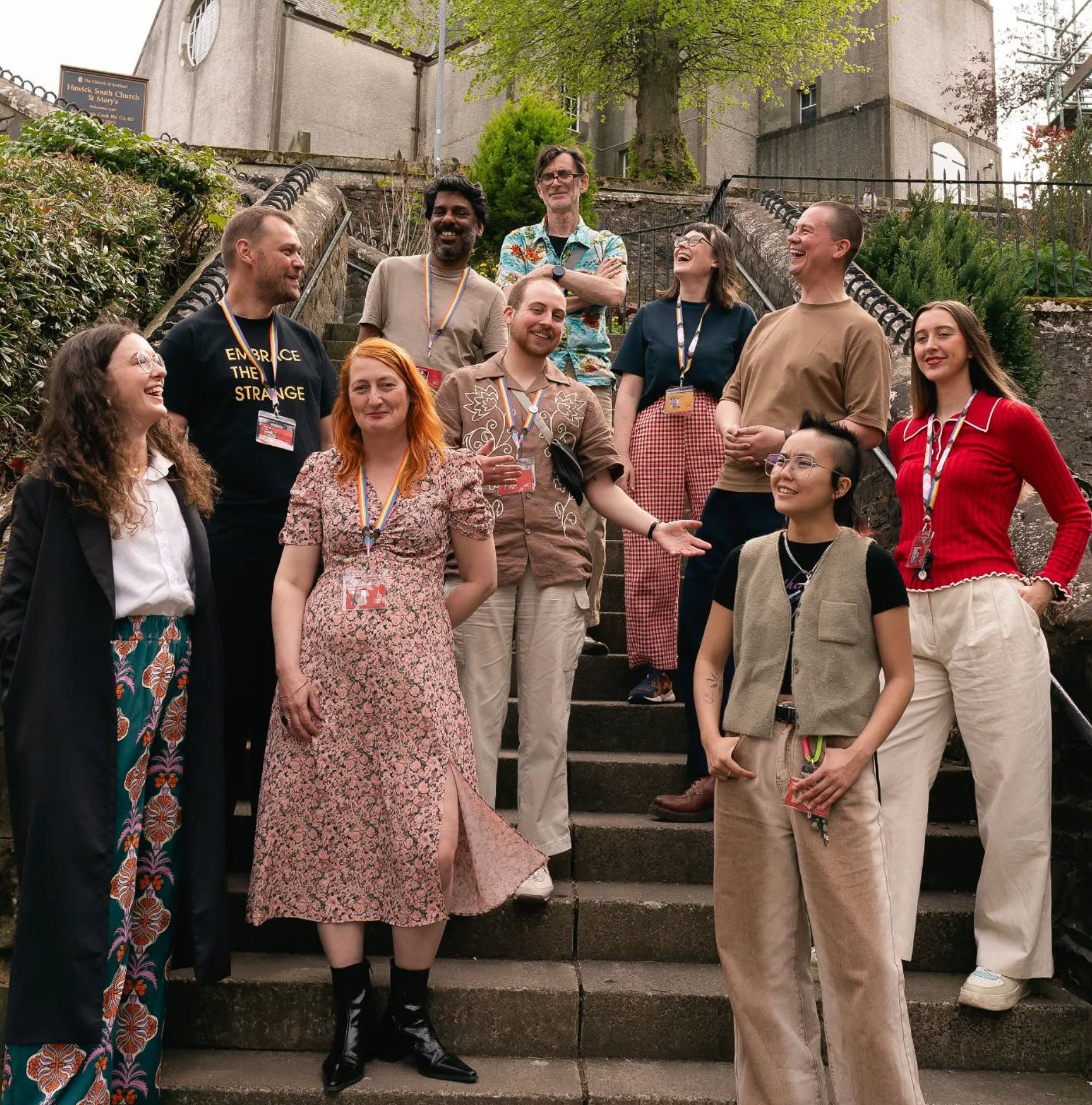
Alchemy staff portrait (2025) by Sanne Gault.
Key learnings:
- Inclusive practice and high‑quality art go together – access and diversity can push creativity and produce work that is richer, braver and more resonant.
- Rural arts organisations can hold both global and local perspectives, creating opportunities for communities to engage with ideas that reach far beyond their own geography.
- Year‑round engagement builds trust, confidence and belonging, making an annual festival feel like a shared community asset rather than a standalone event.
- Flexible funding strengthens the organisational foundations that make ambitious, inclusive work possible.
Alchemy Film & Arts (Alchemy) is an arts organisation rooted in Hawick – a town in the Scottish Borders – but connected to the world.
Alchemy focuses on three connected strands of work: an internationally recognised experimental film festival, a residency programme that supports artists to develop new work rooted in the Borders, and a community engagement programme where film becomes a tool for self‑expression, connection and critical reflection in local spaces.
Together, these three strands feed into one another – showcasing global work, nurturing new talent and ensuring people in Hawick can meaningfully take part in culture all year round. Rachael Disbury, Alchemy’s Director, says:
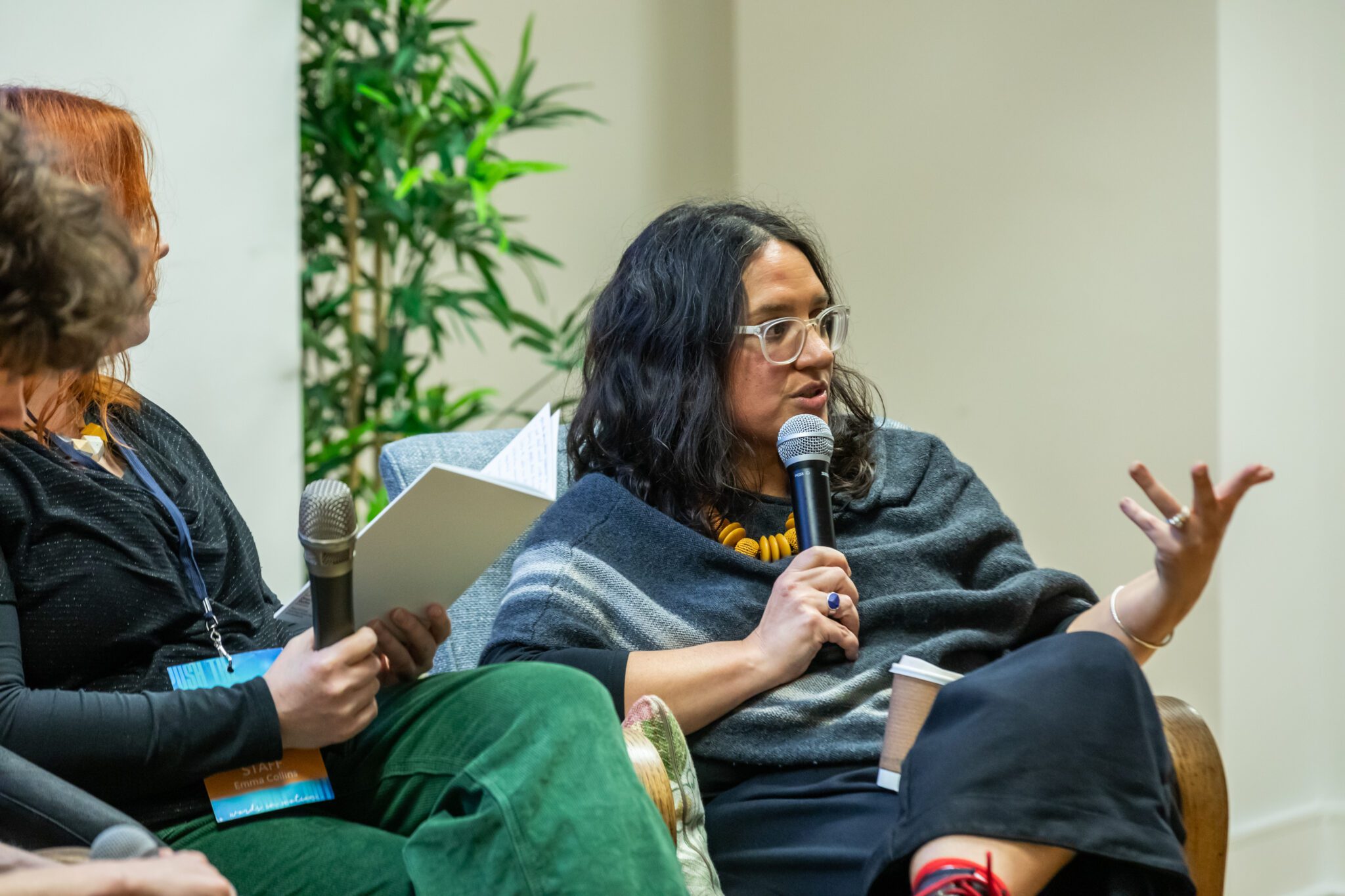
“We like to think people should have a right to experience culture everywhere. It can’t be that you have to go to the city to experience it.”
An inclusive, diversity-led approach
Alchemy describes itself as diversity‑led, and that principle runs through everything – from how they build their team to how they design projects and build relationships across the community through their Film Town programme.
A good example is their monthly Film Club sessions, where staff trained in accessible practice support young people across the Borders to collaborate and explore filmmaking as a tool for identity, community and belonging.
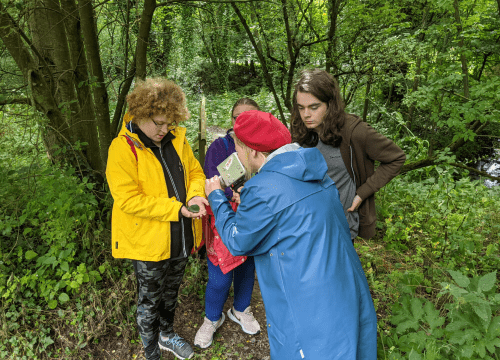
Visibility and safe spaces often matter deeply in a rural town. Many young people describe Alchemy’s Film Club sessions as the first place they’ve felt able to share their ideas freely.
Inclusivity also shapes the artistic process and improves the quality of the outputs and how they are experienced. As Rachael says:
“You don’t just have a creative idea and put it out there. You have to consider access all the way through – and that stimulates creative inspiration.”
Local roots, global ideas
Through Alchemy’s residency programme, The Teviot, the Flag and the Rich, Rich Soil, a diverse group of artists collaborate with communities to consider the pasts, presents and futures of Hawick. Their residencies have explored and researched themes ranging from Hawick’s Black histories to the town’s rich textiles heritage.
These wide‑ranging subjects are always anchored in local conversations, involving people in research and exhibiting works in places that feel familiar and accessible to the town. The residencies often illustrate how creative practice can hold local experience and global perspectives in the same space – gently expanding traditional interpretations of what “rural arts” can mean.
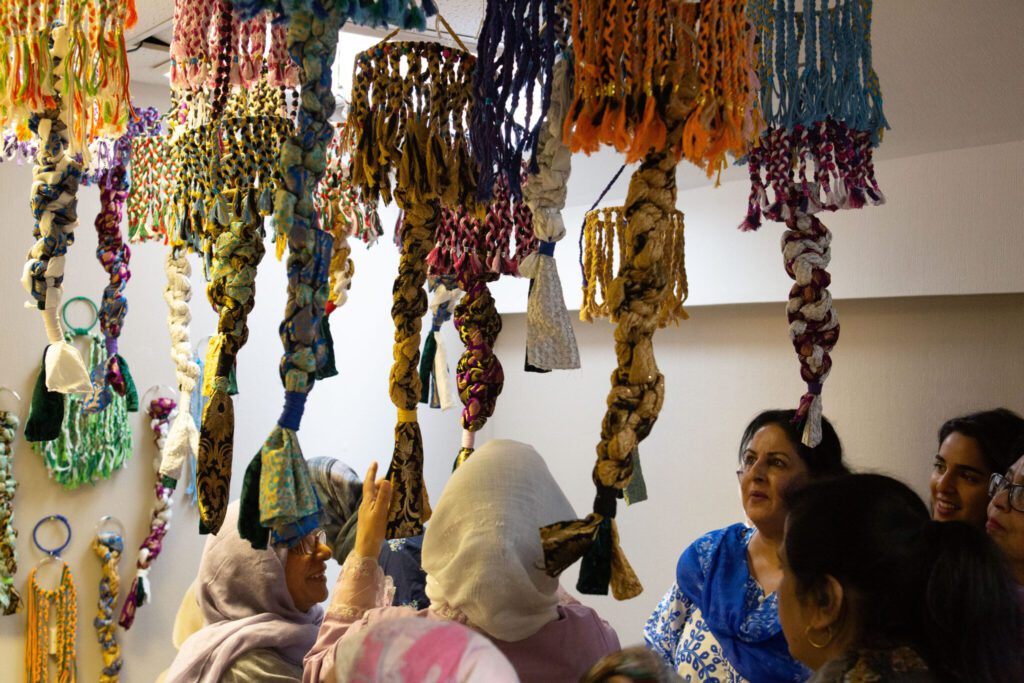
A good example is We Deh Here, a project from artist Maybelle Peters that explored the colonial roots of her mother’s maiden name – a journey taking her from Hawick to Tain to Greyfriars Kirkyard.
Alchemy resident, Maybelle Peters, uncovered the colonial histories behind her mother’s maiden name.
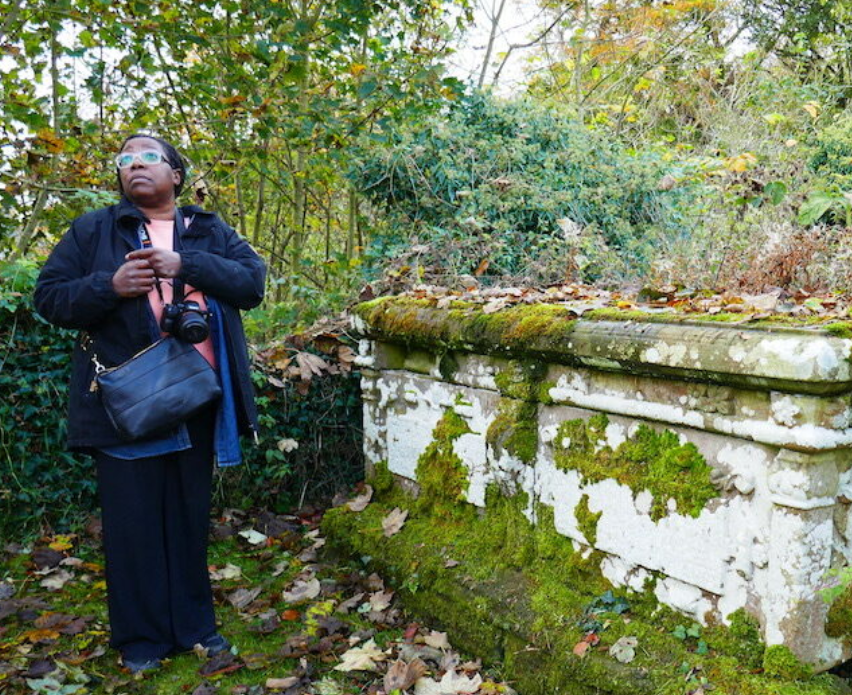
First shown at Alchemy’s 2025 Festival and later presented at the 2026 Berlinale, the film and exhibition explore oft-hidden histories around colonialism, movement and labour. It unearths links between Guyana and Scotland – including in sewing and domestic craft traditions.
Residencies such as this demonstrate that local and global perspectives deepen one another, enriching both the artistic process and the community’s cultural life.
More than a festival
The Alchemy Film and Moving Image Festival is the most visible part of Alchemy’s work, and it is underpinned by this year‑round activity. Alchemy coordinates residencies, liaises with local partners and volunteers, manages guest hospitality for more than 100 visiting artists and delegates, and facilitates the technical delivery of screenings. This work ensures the festival feels connected to the town rather than parachuted in.
It is internationally respected as one of the few dedicated experimental film festivals in the world. It draws artists and audiences from around the globe, yet it remains unmistakably rooted in Hawick. It’s a blend of global artistic ambition and local character, where work that could be shown in Berlin or New York is encountered against the backdrop of the Borders hills. The landscape, people and rhythm of the place become part of the festival experience.
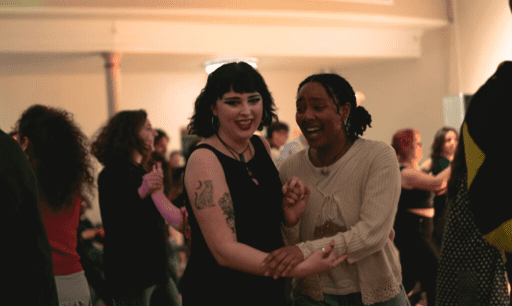
Participants enjoy an evening of camaraderie, connection, and joy at the Alchemy Festival Ceilidh.
What flexible funding enabled
The Foundation provides flexible, multi‑year funding to Alchemy through our Scottish Culture and Heritage strand. Rachael reflects on how this funding has given the organisation room to adapt:
“The funding has allowed us to flourish – it has provided stability at a crucial time, supporting our business plan, strengthening staff capacity and enabling us to remain values-led.”
A clear example of strengthening staff capacity is the flexibility provided to develop the Assistant Producer role within the team. With multi‑year support, Alchemy has created a structured pathway for this role to grow – enabling greater responsibility around access and inclusion planning across all projects, as well as strengthening Fair Work practices, including Living Wage and Living Hours accreditation.
Rachael notes that flexible funding also lets them adapt and keep their work alive – an example includes a their first non‑film‑based residency around heritage, culture and cooking that will result in the publication of a Scottish-Iraqi cookbook.
Looking ahead
Alchemy shows how cultural work in rural places can be ambitious, inclusive and outward‑looking. Their approach – rooted in Hawick, shaped by global ideas and sustained through year‑round relationships – offers valuable learning about what enables communities to connect with culture in meaningful ways.
Read more about this year’s Alchemy Film and Moving Image Festival – the UK’s festival of experimental film and artists’ moving image festival.