Building Blocks: Developing community capacity for a just transition
12 January 2026
Report examining how strengthening community capacity can underpin a fairer clean energy transition, and the steps required to support this.
William Grant Foundation
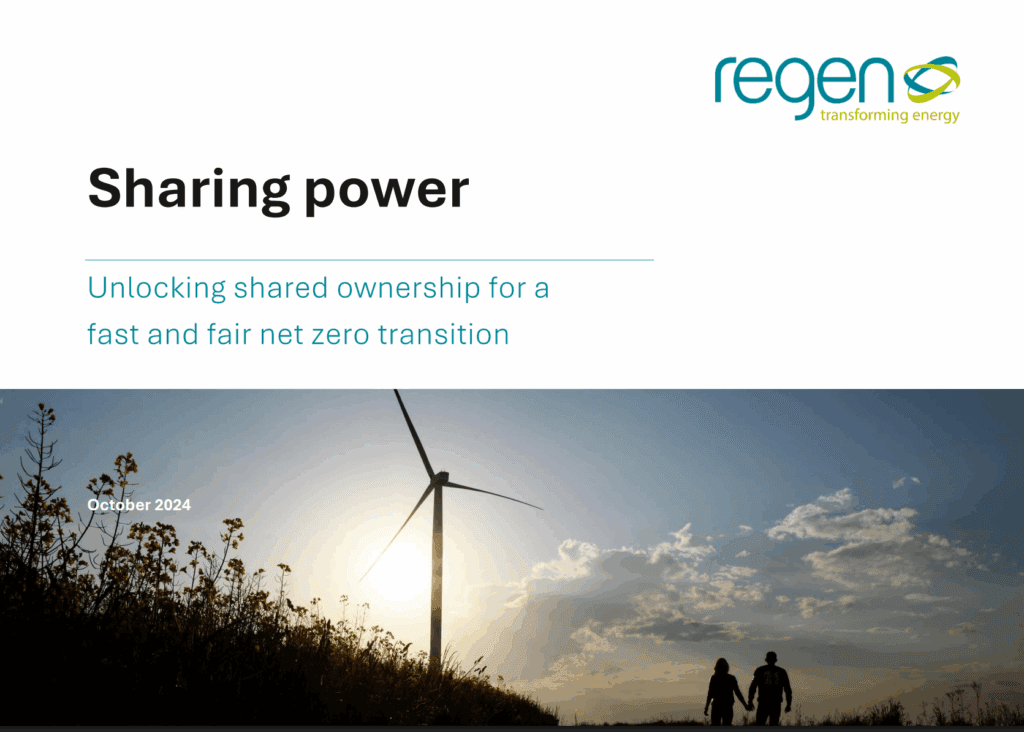
This report from Regen, an independent centre of energy expertise, looks at what it really takes for communities to play a meaningful part in delivering the clean energy transition.
Supported through our Natural and Built Environment strand, the research examines why community capacity varies so widely across the UK – and what is needed to enable more places, particularly low‑income and marginalised communities, to take part in and benefit from local energy initiatives.
Regen’s work highlights that:
- while expectations on communities have grown, years of financial pressure and rising living costs have eroded local time, resources and organisational support
- capacity is often viewed narrowly as technical expertise, but in practice it includes people, relationships, skills, funding and local institutions that enable communities to identify opportunities and turn ideas into delivery
- many places already have valuable assets – such as local charities and social enterprises – that can help shape community‑led climate action if funding and support is flexible and long‑term
- without deliberate action to address capacity gaps, the expansion of local and community energy could reinforce existing inequalities rather than reduce them
Drawing on interviews with community organisations (including many based in Scotland), intermediaries, policymakers and practitioners, the report identifies the key features that underpin successful, inclusive community-led energy action. These include:
- sufficient personal capacity
- a strong community ecosystem
- experienced intermediary organisations
- a deep understanding of community networks
- understanding of funding options and processes
- aligned to social and economic ambitions
The report sets out practical recommendations for governments, local authorities and intermediary organisations on how to build community capacity as a core part of the energy transition. This includes multi‑year capacity funding (including for staff costs), targeted support for areas with the greatest need, and better national and local awareness‑raising.
Click the image above to read or download the report.
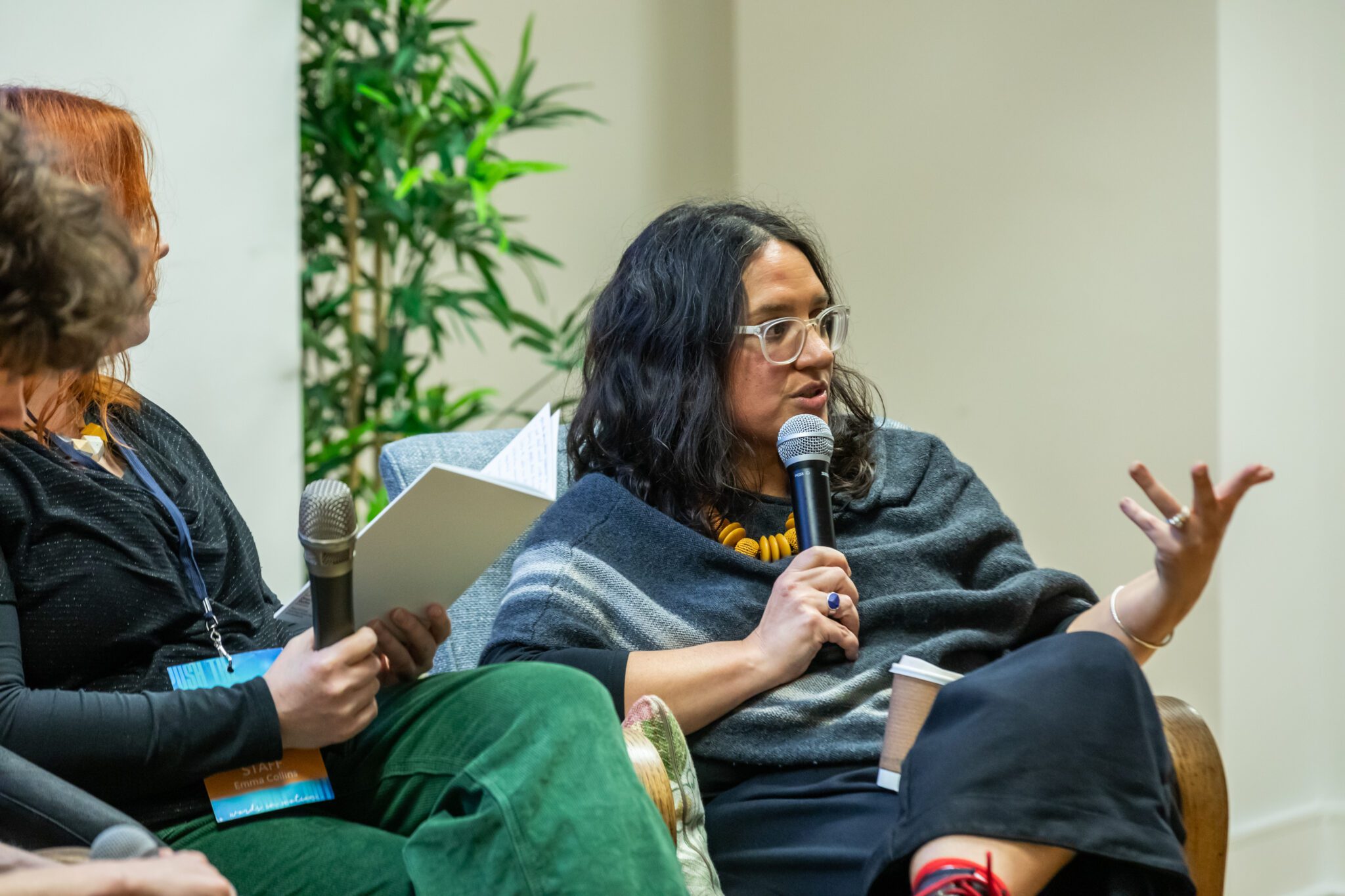
Click here to watch the launch webinar and an discussion of the research with Zarina Ahmad of the Women’s Environmental Network, Clare Richards from Community Energy Scotland and Alex Chatzieleftheriou, Local Power Plan lead at Great British Energy.