7 January 2026
Building health and community connections: Ayr United Football Academy
William Grant Foundation
Key learnings:
- Taking part in community-based sports-related activities improves quality of life for people with long-term health conditions, including dementia, by fostering social connection, routine, and identity.
- Building relationships with skilled staff members is critical to sustain people’s engagement leading to improved health and wellbeing.
- Flexibility in delivery – including tailoring programmes to local contexts – ensures more people choose to take part and are able to do so.
- Long-term, flexible funding enables organisations delivering these activities to innovate, respond to demand, and build strong partnerships.
When Ayr United Football Academy (AUFA) began 20 years ago, football was the hook – a way to bring people together. Today, AUFA is about much more than football. It has grown into a valued community health organisation, delivering programmes to 1400 people on a weekly basis, addressing health inequalities, isolation, and wellbeing across South Ayrshire.
As Davie White, the Head of AUFA says,
Our simplest aim is to leave the community in a better place every day. Football gave us the reach, but now we’re about people – their health, their happiness, and their sense of belonging.
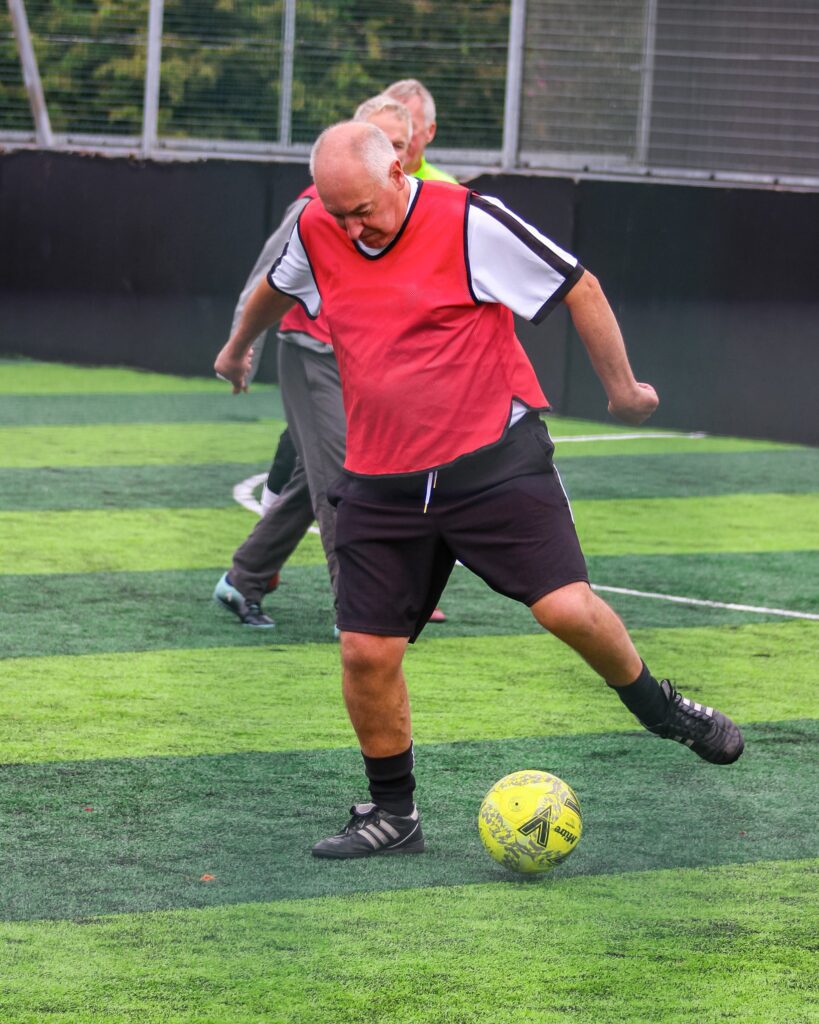
AUFA’s Football for Life programme specifically focuses on over-50s demographic with activities like Walking Football designed to promote active ageing and social connection.
Photo credit: ShootSoccer Ayr
Inclusive programmes for all ages
AUFA’s work spans South Ayrshire (from urban Ayr to rural villages) and across age ranges from toddlers to centenarians. It aims to adapt its delivery to local needs, ensuring that every community feels included and listened to – for example, taking walking football participants to a cafe one week instead of going to the pitch, if that’s what’s needed in an area.
Football for Life is one of AUFA’s core programmes supporting older adults, many of whom are living with long-term conditions or at risk of isolation. The programme includes activities such as walking football – an opportunity for men and women aged over 50 to keep active, be competitive and have a ‘kick of the ball’ without worrying about strains.
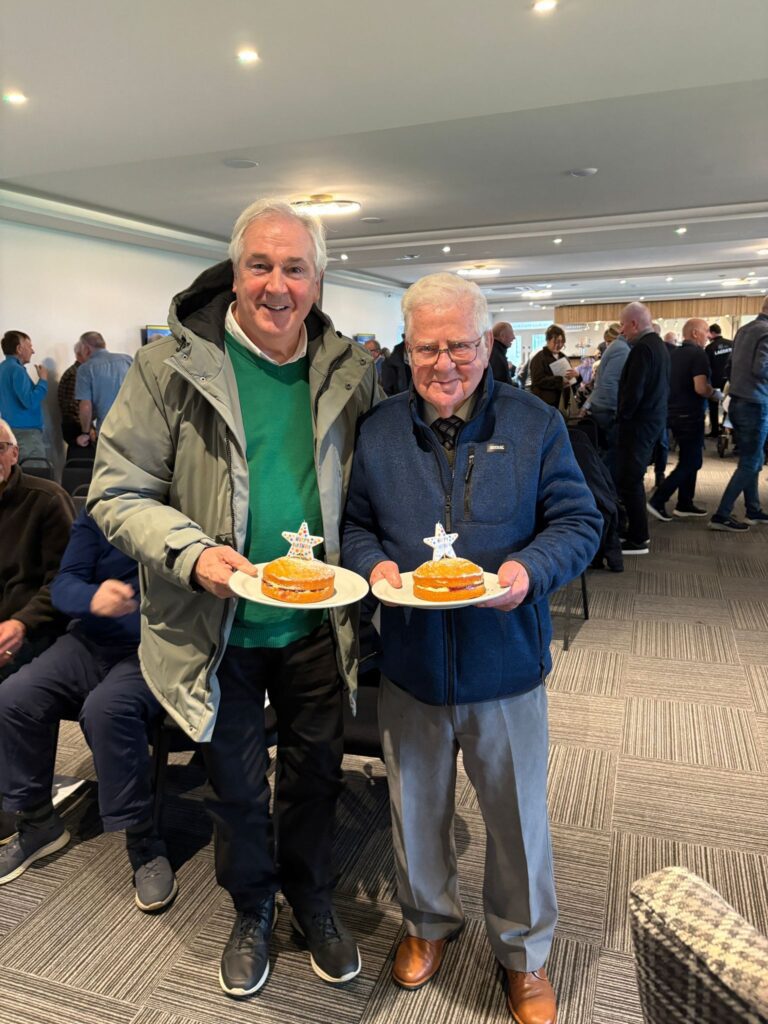
Activities go far beyond sport, too. Weekly sessions at community venues across South Ayrshire and monthly sessions at Ayr United’s ground, Somerset Park, often include cards, dominoes, and conversation, creating safe spaces for connection.
A great example is Football Memories, which offers people living with dementia or cognitive difficulties the chance to reminisce about football in Scotland and around the world.
Topics are carefully chosen to spark engagement – sometimes focusing on places or events rather than matches. For instance, one recent session explored the history of Prestwick Airport, chosen in discussion with a local care home because it was likely to trigger memories and stories among participants.
Health, wellbeing and community connection
Community-based sporting programmes are proving to be powerful tools for supporting people with long-term conditions such as dementia. These activities do more than improve physical health – they help maintain daily routines, stimulate memory recall, and reduce loneliness by creating familiar, social environments.
For many participants, being part of a team or revisiting football memories reinforces identity and provides a sense of purpose, which is critical for mental wellbeing and quality of life.
Football for Life is about more than the game itself – activities build friendships, support wellbeing and strengthen community connections.
Why staff consistency matters
A key thing AUFA has learned is the importance of having the right people in the right roles. Skilled, consistent staff sustain attendance, build trust, and create safe spaces where participants feel valued. This continuity also enables sensitive interventions, such as referring participants to health services when needed – something that people (especially men) often find difficult to do due to stigma.
AUFA invests in aligning staff to activities carefully, recognising that relationships are as important as programmes. As Davie says,
Consistency of staff is key. When people see familiar faces, they feel safe. That’s what sustains attendance and helps us improve health outcomes and reduce isolation.
Partnerships and an ecosystem of support
Behind the scenes, collaboration powers this work. AUFA sits within a vibrant local ecosystem, with strong ties to the council, health board, Ayrshire College, and care providers. These relationships enable people to be referred to the right services, and lead to joint initiatives, and shared learning.
For example, the team are participating in community planning conversations and exploring how they can make it easier for doctors to connect people with the charity when they need extra support.
These partnerships are central to AUFA’s plans for the future. As Davie says, “We’re not just a football club. We’re part of a bigger picture – an ecosystem that cares for people.”
AUFA was recently recognised with a UEFA Grassroots Silver Award for its community impact – a powerful reminder that local sports clubs can be about much more than what happens on the pitch.
Why flexible funding matters
We support the work of AUFA’s Football for Life programme through our Health and Social Causes strand. However, the grant is unrestricted and can be used for the general purposes of the organisation over any time frame. This flexibility has been vital for AUFA, enabling it to adapt, innovate, and build partnerships that are focused on making a meaningful difference.
“The flexible funding has been phenomenal,” says Davie. “It’s not just the money – it’s the trust. That flexibility lets us respond to demand and grow in ways that restricted grants wouldn’t.”
Looking ahead
With demand for its programmes continuing to grow, AUFA faces challenges – but also opportunities. Its commitment to adaptability, partnerships, and person-centred practice positions it as an important partner for health and wellbeing in South Ayrshire.
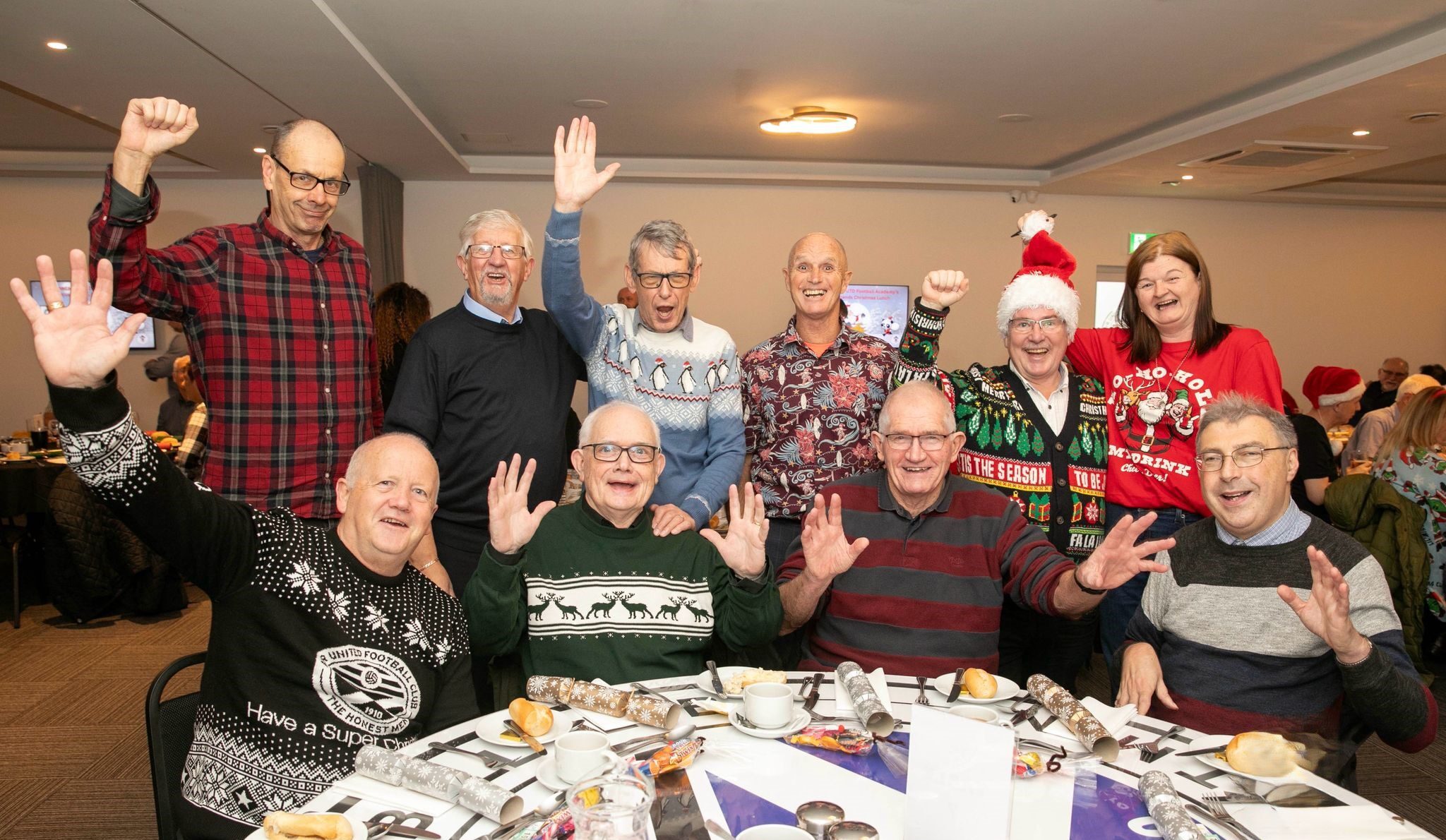
The recent intergenerational Festive Friends event in December captured what AUFA is all about. Bringing 150 older adults together with local schoolchildren for a day of celebration, gift-giving, and shared experiences.
This simple act reflects AUFA’s core message: football may be the hook, but the real impact lies in creating spaces where people of all ages connect and support each other to live well.