21 May 2026
Explore why taking a place-based approach to our Youth Opportunities funding strengthens our support for funded partners.
Elaine Gibb

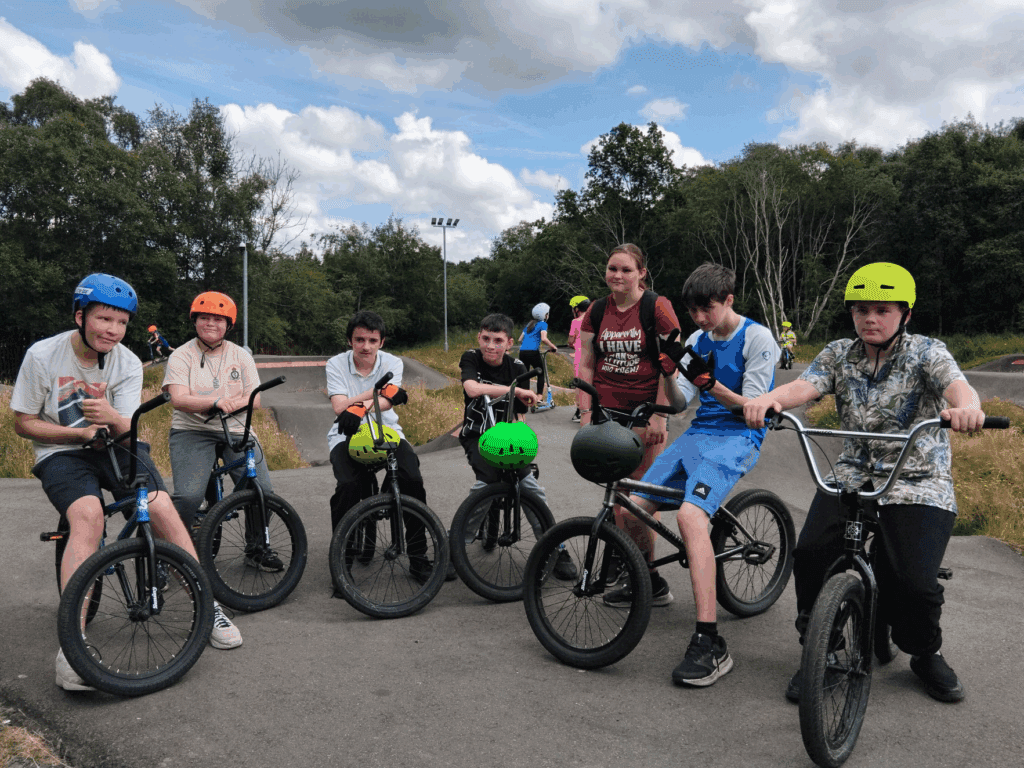
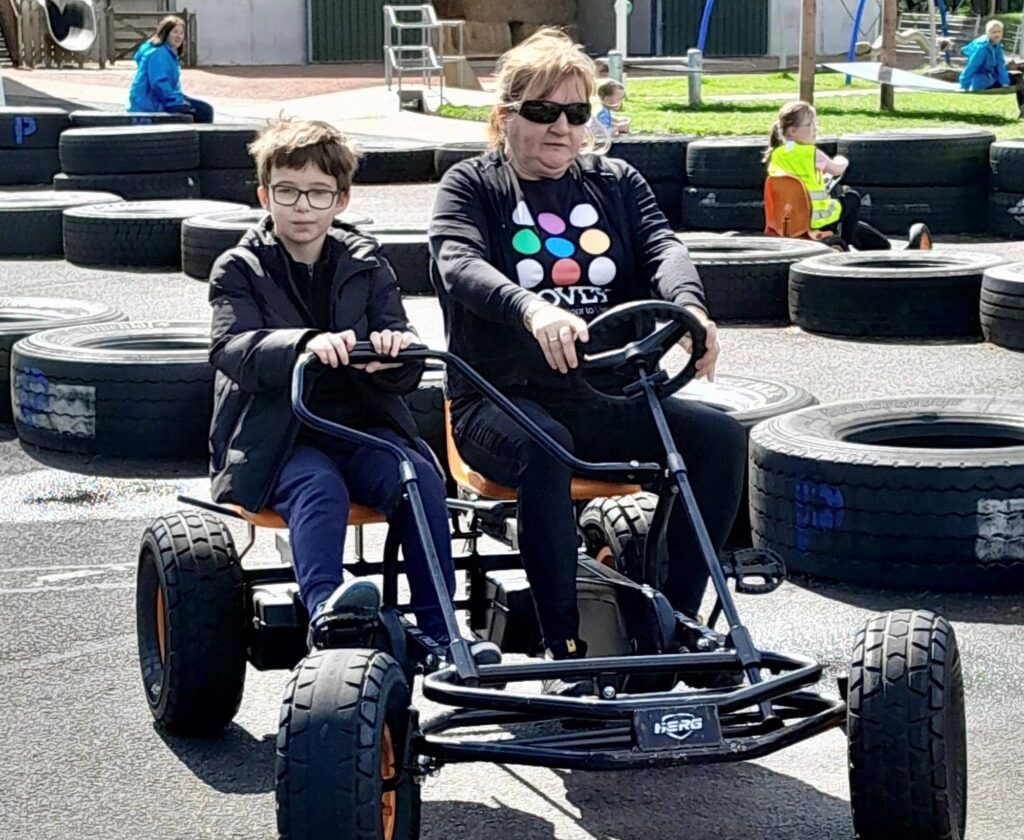
Photo: Outfit Moray
We take a place-based approach to our Youth Opportunities funding, staying close to a small number of communities and often building long-term relationships with the organisations working there. Reflecting on some of these long-standing partnerships for our annual review has reminded us why this matters – not just for young people, but for the organisations themselves, and for us.
Staying close to change
When we focus on specific places, we often hear early or in real time when something is shifting – whether that’s rising demand, more complex needs, or local services under increasing pressure. This information often emerges not through numbers and data, but through regular conversations, honest reporting and trusting relationships.
In one town, youth workers told us that specialist mental health and family support services were “at capacity and breaking,” with long waiting lists.
They heard this directly through day-to-day‑ conversations with young people and families – not through statistics. Because they had this local insight, they knew they needed to step in, adapt their own support, and bring in extra relief staff to cope with rising need.
Local insight shapes how we respond
Sharing this kind of insight helps us think more clearly about our own role. It means we can be proactive and look for other ways to support action on the changing challenges young people were facing.
When a grantee shares what they’re seeing on the ground – whether that’s pressure on mental health services, a spike in food insecurity or young people struggling more with transitions – it has a knock-on effect. It shapes how we think about our funding, where we focus our attention and how we support organisations to respond.
In recent years we’ve consistently heard from local youth organisations about the value of working through young people’s interests – from sport and creative arts to outdoor activity – when supporting those facing significant challenges. In response, we gradually increased our support for this work, which is now embedded within our Youth Opportunities funding.

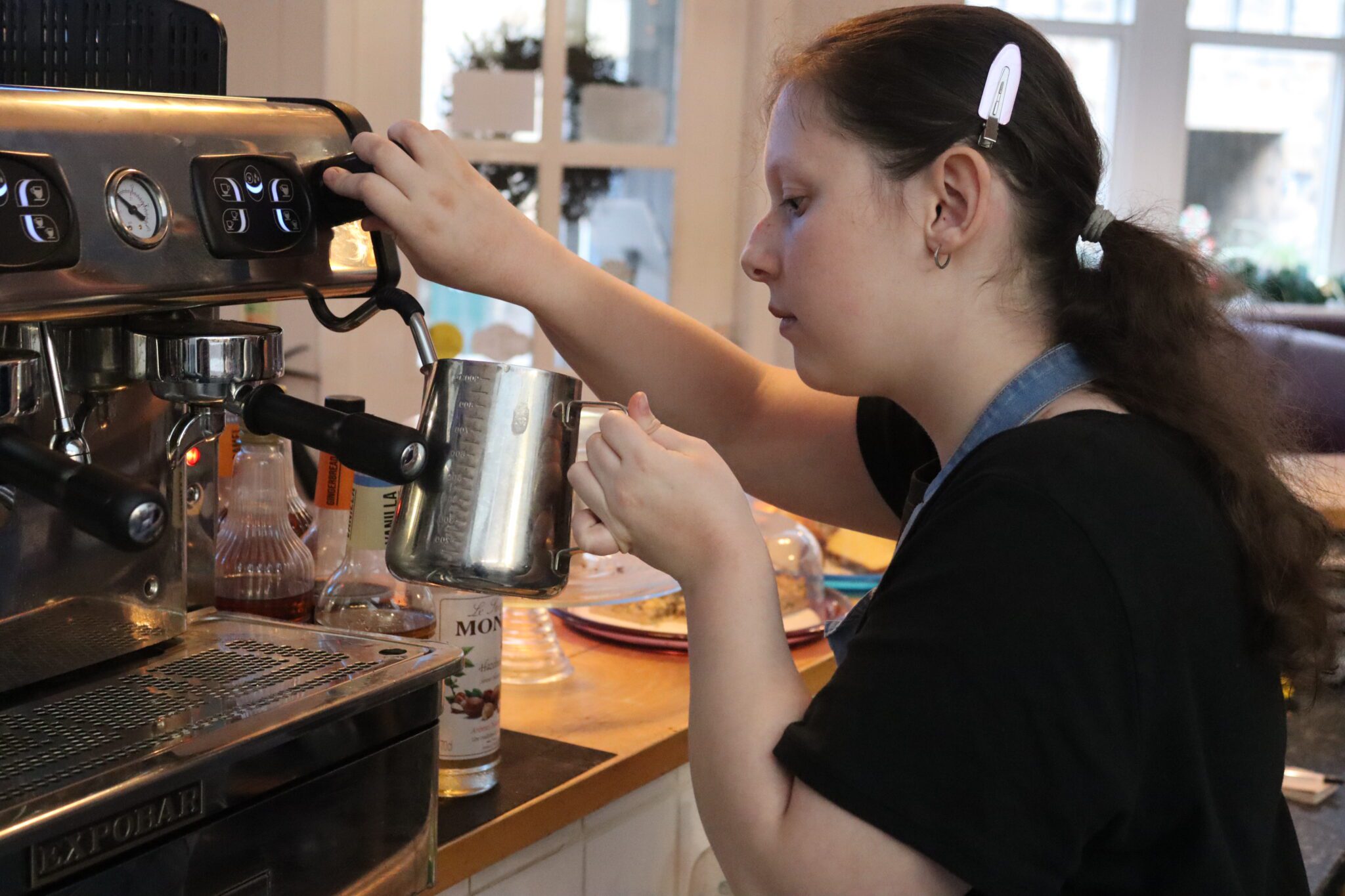
Photo: Outfit Moray
Creating space for partners to adapt
When funding is steady and the relationship is strong, youth organisations can adapt their work without hesitation. Over the years, partners have redesigned sessions and support in many ways.
These changes happen because organisations are close to their young people and communities and they happen more easily if they feel confident that we will back their judgement — even when the work looks different from year to year.
A strategic example from one organisation related to its staffing structure. After recognising the risk of burnout in a small core team, and experiencing several staff departures at the same time, they took a step back rather than rushing to fill gaps. They reviewed their whole approach and redesigned roles to create a more balanced and resilient team.
This included promoting internal staff into new leadership positions, reducing pressure on the manager and building in more flexibility across full‑time and part‑time roles.
We hope they felt able to make this change confidently because funders gave them some of the stability they needed to think strategically instead of staying in firefighting mode. This kind of shift is easier when an organisation trusts its funders to back decisions that don’t produce quick wins and strengthens the organisation for the long run.
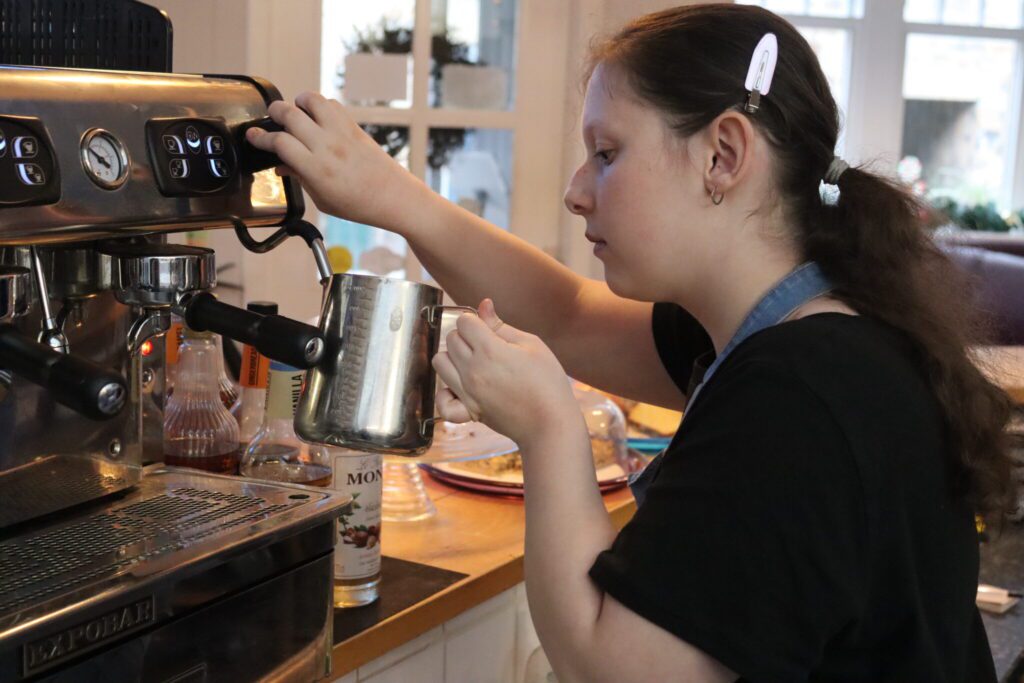
Photo: Elgin Youth Development Group
Trust and honesty lead to better support
One of the biggest benefits of local long-term partnerships is the honesty they allow. We want organisations to tell us openly when something isn’t working, when they’re stretched too thin or when external pressures are affecting their work – but we know it’s not always easy to share uncomfortable truths with funders.
Yet this honesty is often where the real learning sits. It helps us make better funding decisions, and in some cases, to step in with additional support. In this portfolio, this includes examples such as:
- a time-limited restricted grant to pay for specialist HR support to help a charity navigate a specific issue
- having open and honest conversations when we see opportunities to strengthen organisations and their governance – and often signposting partners to free sector support available to charities.
All of this speaks to our intention to support our partners to be more resilient and adaptable – so they can continue to be there for young people in the ways that matter.
Staying rooted in place
Our strategy for our place-based work has grown from our local relationships – from listening to local youth workers and from watching their organisations and young people evolve.
Because we stay in a place over many years, we see the full arc of youth work: the early relationship building, the moments of strain, staff changes, and the gradual, steady impact that isn’t always visible in the short term.
This wider view helps us support organisations not just for the activities they deliver, but for the people, spaces and systems that make the work sustainable.
As we look ahead, our intent is to continue help create the conditions where this kind of work can flourish.