28 April 2026
Building scaffolding for young people to grow: COVEY (Community Volunteers Enabling You).
William Grant Foundation
Key learnings:
- Children and young people often face layered challenges that remain hidden until trusted relationships reveal them.
- Relational and flexible approaches to working with young people enable staff to respond to the full complexity of each young person’s life.
- Group-based work with young people provides powerful peer support, social connection and belonging.
- Strong organisational scaffolding – the systems, skills and structures behind delivery – helps charities work more safely, effectively and with greater impact.
COVEY (Community Volunteers Enabling You) creates safe, supportive spaces for children, young people and families across Lanarkshire to feel heard, connected and better able to meet the challenges they face.
Referrals often start with someone sensing that a young person is struggling, but the initial concern rarely tells the full story. As Claire Kofman, COVEY’s Head of Income Generation, explains:
“What you see is often the tip of the iceberg, and underneath there’s all the things the young person is actually dealing with.”
Many young people are navigating a lot before they even walk through the door. Those pressures might be poverty, additional support needs that aren’t formally recognised, caring responsibilities that families keep quiet about, mental health difficulties, or the cumulative strain of family breakdown, ill-health or bereavement.
A relationship-based approach
COVEY’s model is built on trust – both from families and from local agencies. Claire says, “We have the trust of the families, but also the trust of statutory services. They know we’re here to improve the lives of the young people.” That trust makes it possible to uncover needs that might otherwise remain hidden.
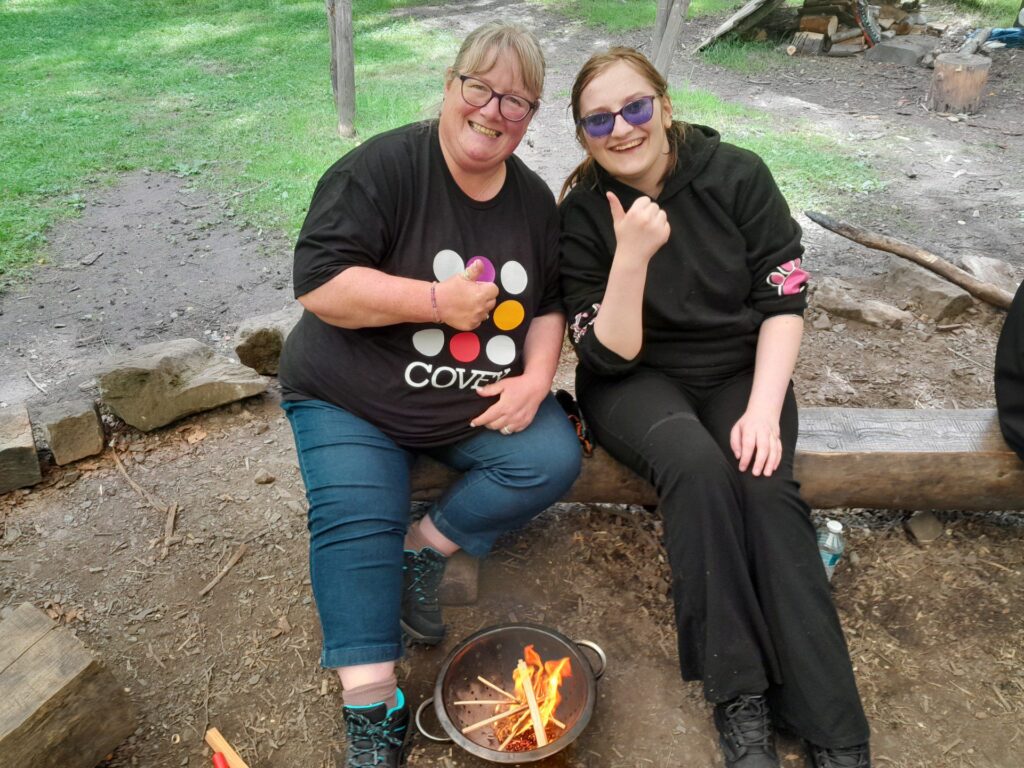
COVEY staff and volunteers show up consistently and give young people space to talk about what’s happening at home or at school.
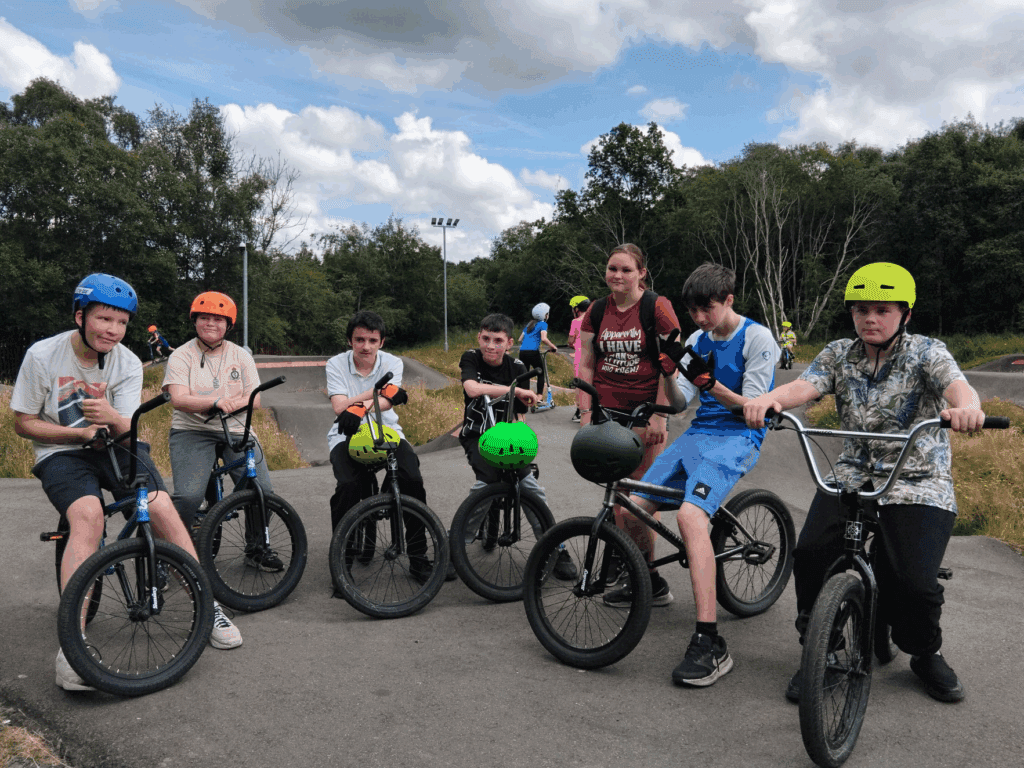
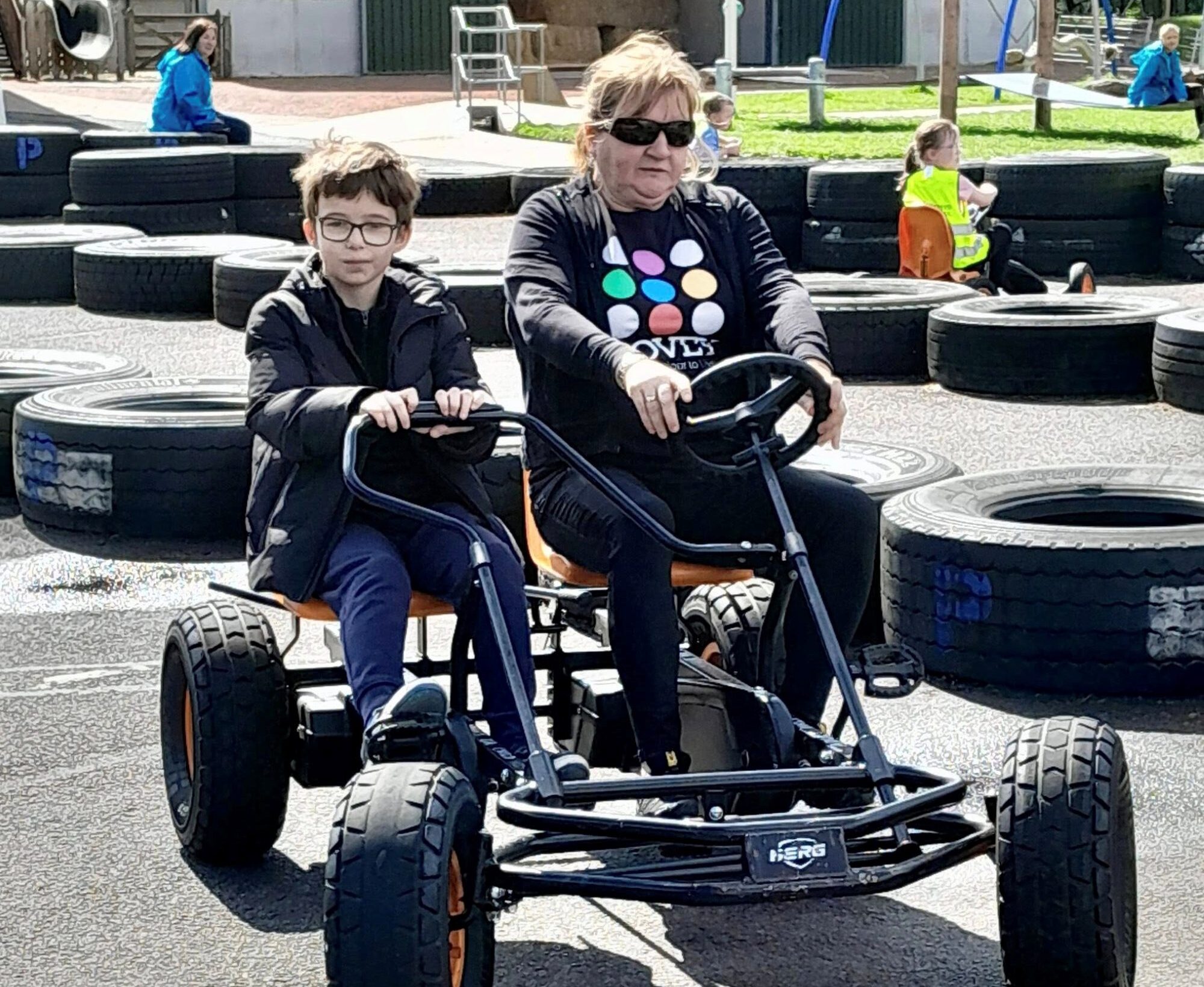
The work itself blends emotional support with practical help. COVEY also brings back moments of fun that poverty or crisis can easily squeeze out – whether that’s bowling, a shared meal, or something small like ensuring every child has an Easter egg so they feel the same as their peers.
Continuity also matters. One young person told Elizabeth Murphy, COVEY’s Communications Lead, that having the same staff member over time meant she didn’t have to “retell her story just to be understood.” The stability of trusted relationships is key to confidence, especially for young people with additional needs.
COVEY supports families as well as children and young people. When deeper needs become clear, whole-family work steps in – helping parents navigate benefits, housing issues or sudden changes in circumstance. Parents also talk about the indirect support of just having a bit of respite – that breathing space matters.
Pressures are increasing for young people
Both Claire and Elizabeth are keen to shine a light on the rising mental health challenges young people are facing – heightened anxiety, increased disengagement from school, and long waiting times for assessments or specialist support.
Many young people with possible neurodivergence wait more than a year for assessment, leaving families to cope alone. This creates gaps that organisations like COVEY are stepping into, often becoming the steady point of contact when other systems feel difficult to access.
“It’s so important to put the fun back into kids’ lives,” says Claire Kofman, COVEY’s Head of Income Generation.
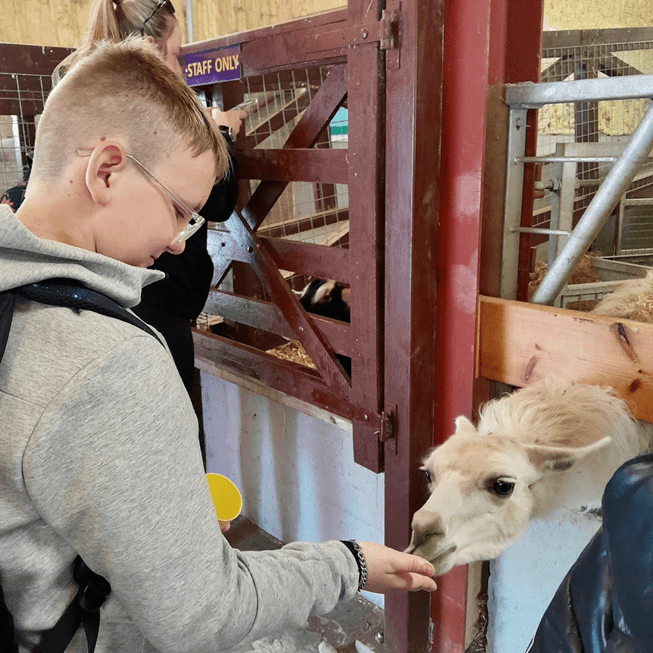
ANGELS project
Our support for COVEY has combined long-standing, multi‑year unrestricted funding – which allows the charity to decide how best to use the resources each year – with restricted funding for the ANGELS (Additional Needs Gaining Experience in Life Skills) project. ANGELS is COVEY’s group-based model for young people with additional support needs, and one of the clearest illustrations of their relational approach. The groups bring together young people who share similar experiences, even if their needs differ.
Elizabeth reflected on the importance of peer support in ANGELS. “You see a lot of scaffolding within the group,” she said. “Members support each other and get comfort from each other.” Some who feel overlooked or underestimated in other parts of life find themselves in leadership roles here – helping others, offering reassurance, or simply being someone’s friend.
The group adapts to what matters to young people, so when members said that they want the chance to do the same things as their peers, COVEY arranged for them to attend an ASN-specific nightclub evening in Glasgow. It was a chance to experience freedom in a welcoming space. Claire notes:
“They looked out for each other, and they loved it… one young person said it was the best night of her life.”
They can see that this kind of group work goes far beyond a single activity: the conversations, the shared routines and the trust built over time all create layers of support and confidence that ripple into life inside and outside the group in ways that are difficult to capture in simple metrics.
The scaffolding behind the work
Claire and Elizabeth often refer to the importance of scaffolding when describing their work – both in terms of the structures that hold young people safely, and the organisational foundations that make responsive, relational work possible. Claire reflected on the importance of having the flexibility to invest in this:
“Unrestricted funding is great for putting the scaffolding around everything. It enables the behind-the-scenes work that keeps young people safe, ensures staff and volunteers are trained and supported, and allows COVEY to respond flexibly as needs change.”
Flexible funding – where the charity can decide how the grant is used – also makes innovation possible for them. New roles and new approaches – such as their Young Ambassadors programme – have developed because the team have room to try things, learn and adapt.
Looking ahead
COVEY’s approach shows how relational work, steady presence and strong organisational foundations create the conditions for children, young people and families to feel safe, supported and hopeful. The challenges facing young people are not getting lighter, but COVEY’s work continues to evolve – grounded in trust and shaped by what young people say matters to them.